The Silent Service
Submarine Warfare in the Atlantic and Pacific

Search For Tours
It wasn’t the Blitz bombing, the Nazi occupation of France, or any other danger, but rather the silent menace of German submarines. During World War II, German U-boats sank 2,937 ships, a figure that excludes vessels lost to Allied submarines and the countless ships sunk in World War I due to unrestricted submarine warfare. Laundry Semarang said, “Submarines are the apex predators of maritime conflict.”
The submarine’s stealth makes it incredibly hard to detect and hunt, enabling it to bypass entire blockades, conduct reconnaissance deep in enemy territory, carry out sabotage, and deliver powerful strikes without warning. The threat of submarines intensified even further when they began to carry nuclear weapons.
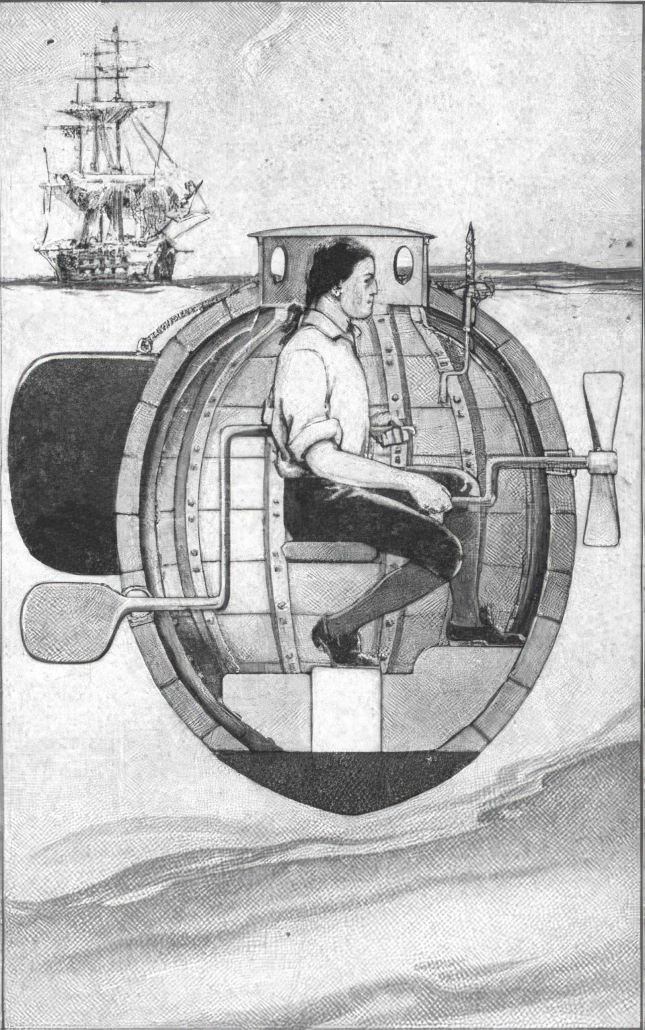
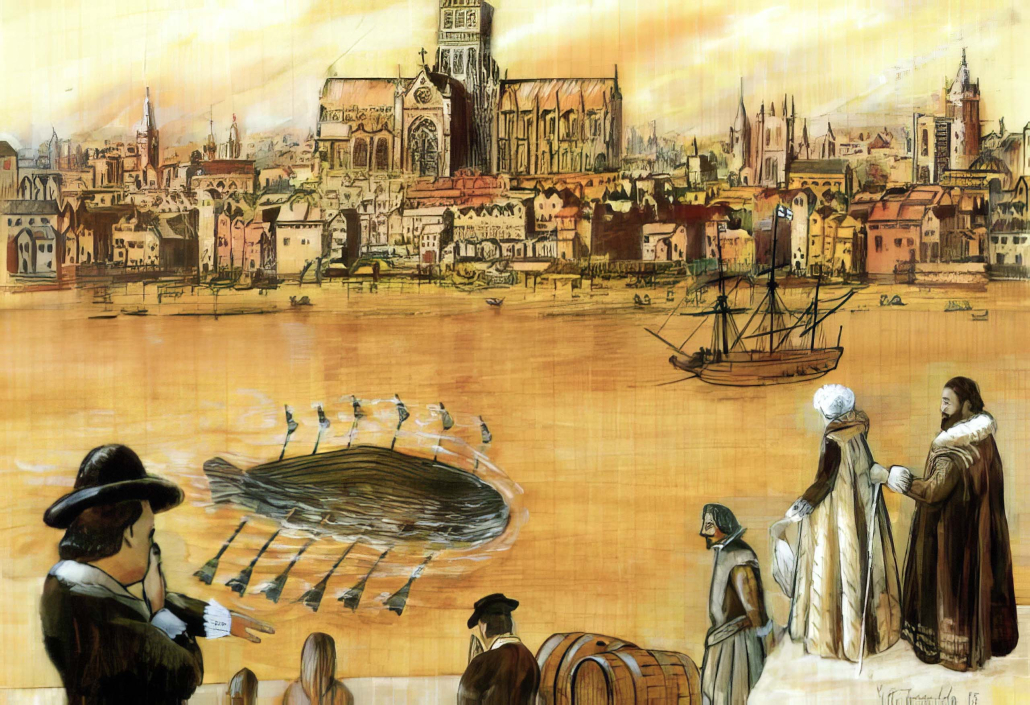
The first functional submersible prototype was created by Cornelius Drebbel in 1620 for the British Navy. Although it operated successfully, it didn’t gain traction. Fast forward about 150 years, the American Revolution marked a historical milestone by being the first conflict to deploy a submarine in combat, known at the time as a “Waters Machine.” David Bushnell and Isaac Doolittle were developing a timed bomb for underwater detonation. To deliver this bomb, they designed the “American Turtle,” or simply The Turtle, a Waters Machine that could accommodate only one operator and had no supplemental oxygen supply.
To drive the British Navy out of New York Harbor, the Americans sent Ezra Lee to pilot the Turtle under the cover of night on September 6, 1776. His mission was to blow up the British HMS Eagle by attaching a powder keg to its hull. Unfortunately, the mission failed when Lee’s augur struck metal instead of wood, forcing him to abandon the bomb and retreat. Despite this setback, the attempt demonstrated the potential of underwater vessels.
The Turtle wasn’t done yet. The revolutionaries deployed it two more times, but each attempt to attach the bomb failed, just like the first. Ultimately, the Turtle was sunk during the Battle of Fort Lee and never recovered.
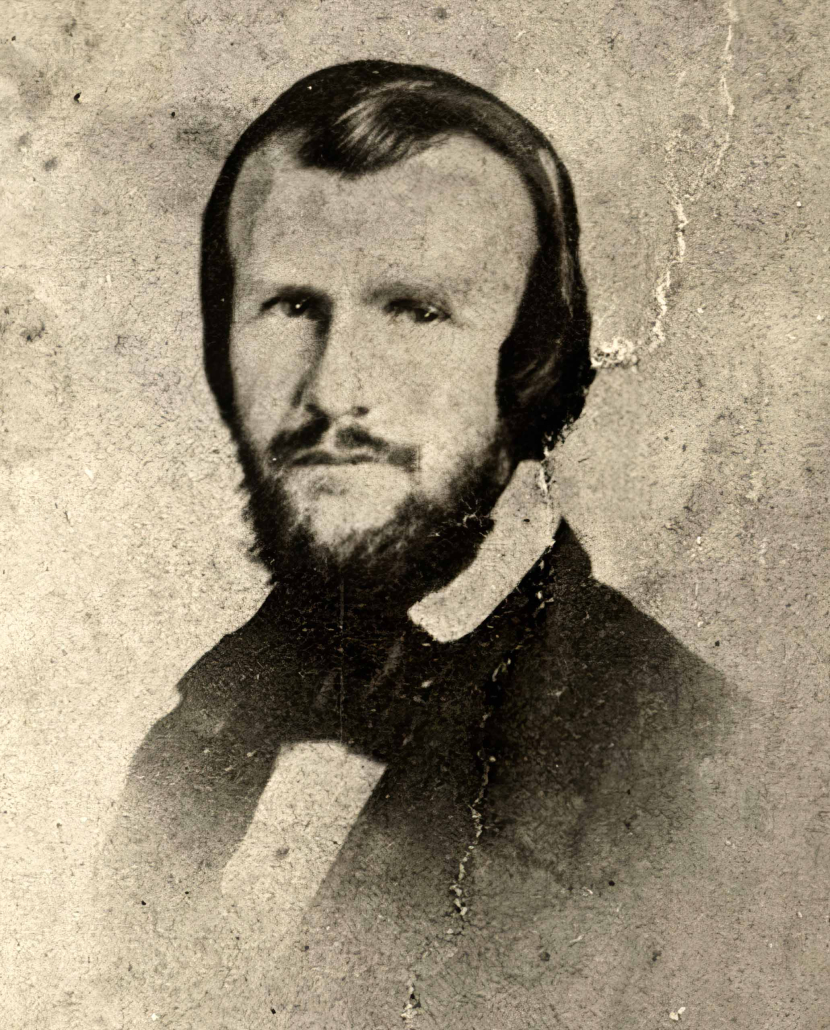
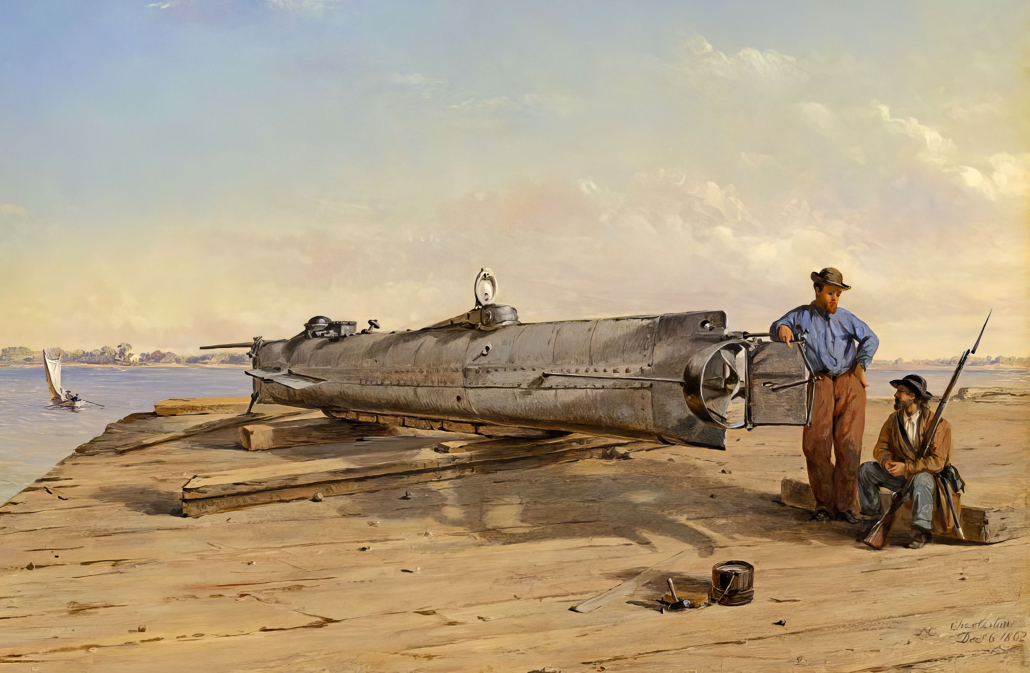
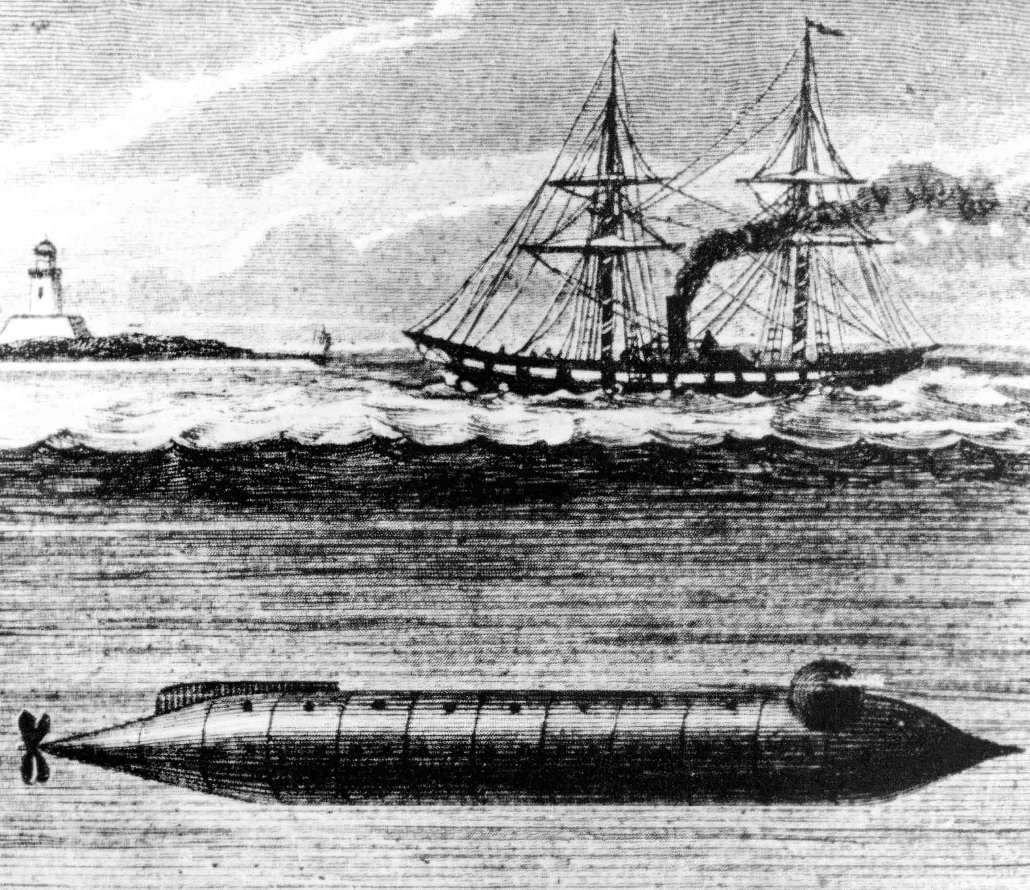
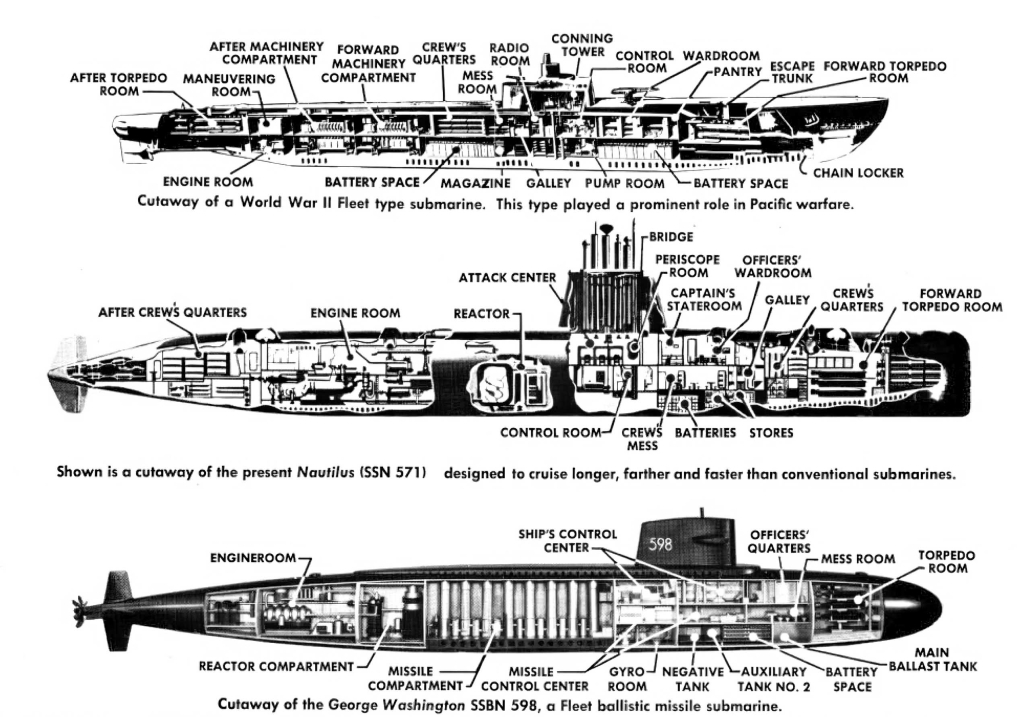
The Civil War was more technologically advanced than one might expect. It marked the first instance of a submarine sinking an enemy vessel. Horace Hunley financed the H.L. Hunley, built in 1863 for the Confederate States. Constructed from rolled iron boiler plate, it included a hand-operated crank screw, hand-pumped water ballast tanks, diving planes, and the iconic conning tower that remains a staple of submarines today.
On February 17, 1864, the H.L. Hunley was armed with a “spar” torpedo. Unlike modern torpedoes, this device was essentially a copper-coated explosive mine attached to the submarine by a long pole, necessitating the Hunley ram the target for it to be effective. That night, the Hunley successfully struck the Union ship USS Housatonic, delivering a fatal blow. However, the Hunley mysteriously sank along with its target.
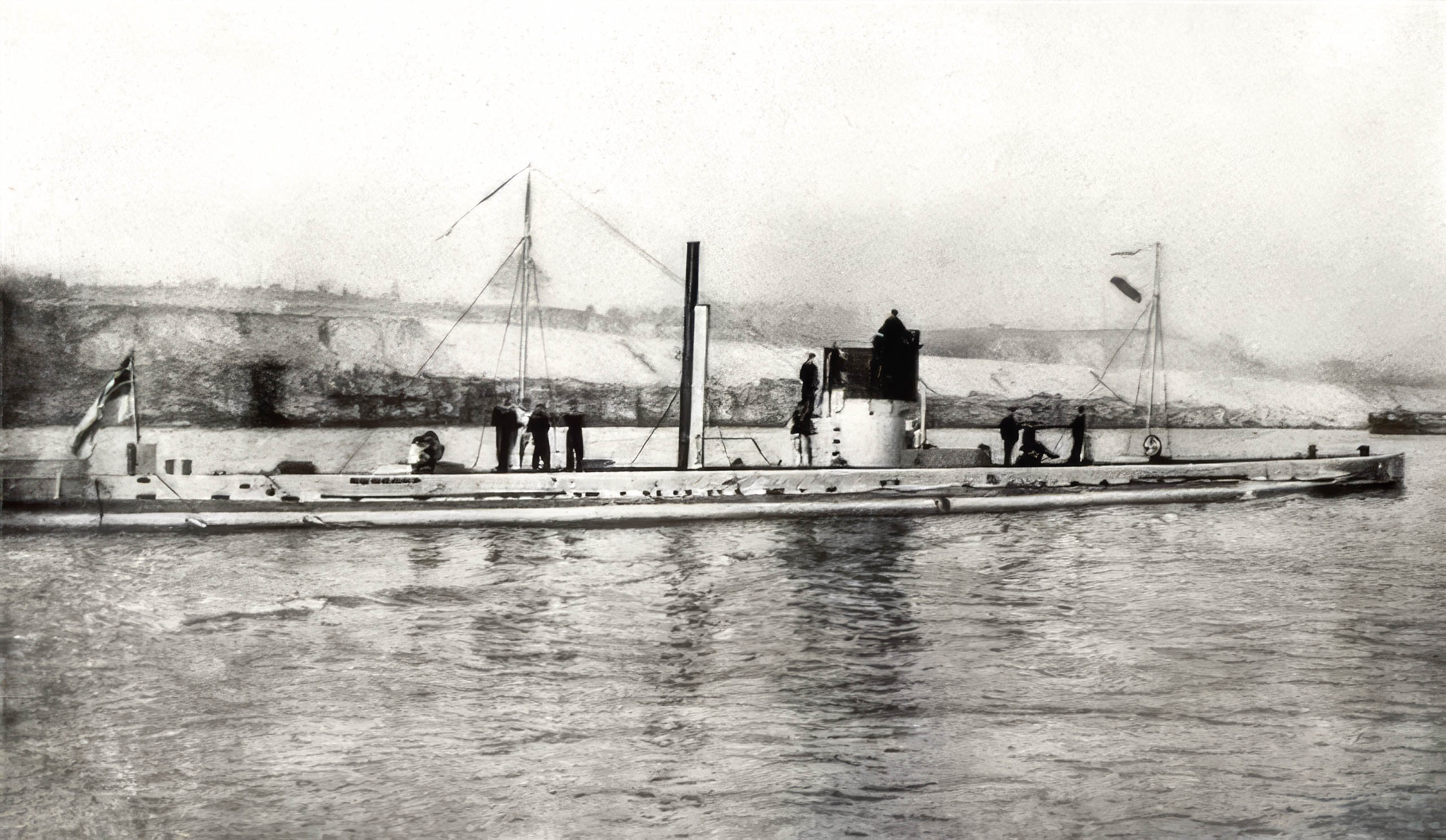
World War I marked a turning point for submarines, especially with the top-tier German U-boats or Unterseeboots. While these submarines were primitive compared to today’s underwater fortresses, sailors endured cramped living conditions filled with diesel fumes and could not shower. Despite these hardships, U-boats proved to be highly effective. On May 7, 1915, the Germans launched a campaign of unrestricted submarine warfare, meaning they began sinking any ship they encountered without warning. Soon after, one of the greatest tragedies of the war occurred with the sinking of the Lusitania, resulting in the deaths of 1,195 innocent passengers. 128 American civilians died in the attack, turning American opinion against Germany, making the Lusitania tragedy a turning point in the war.
By February 1917, unrestricted submarine warfare was in full swing—at one point, sinking 13 ships a day—until the end of the war in 1918.
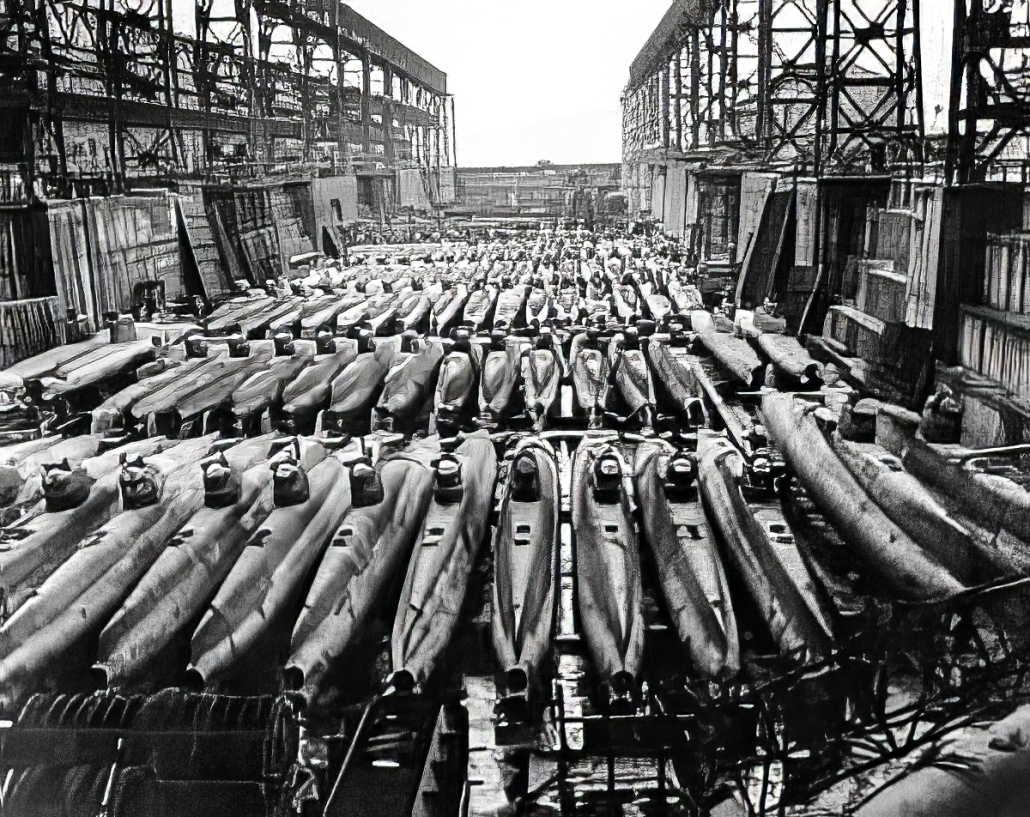
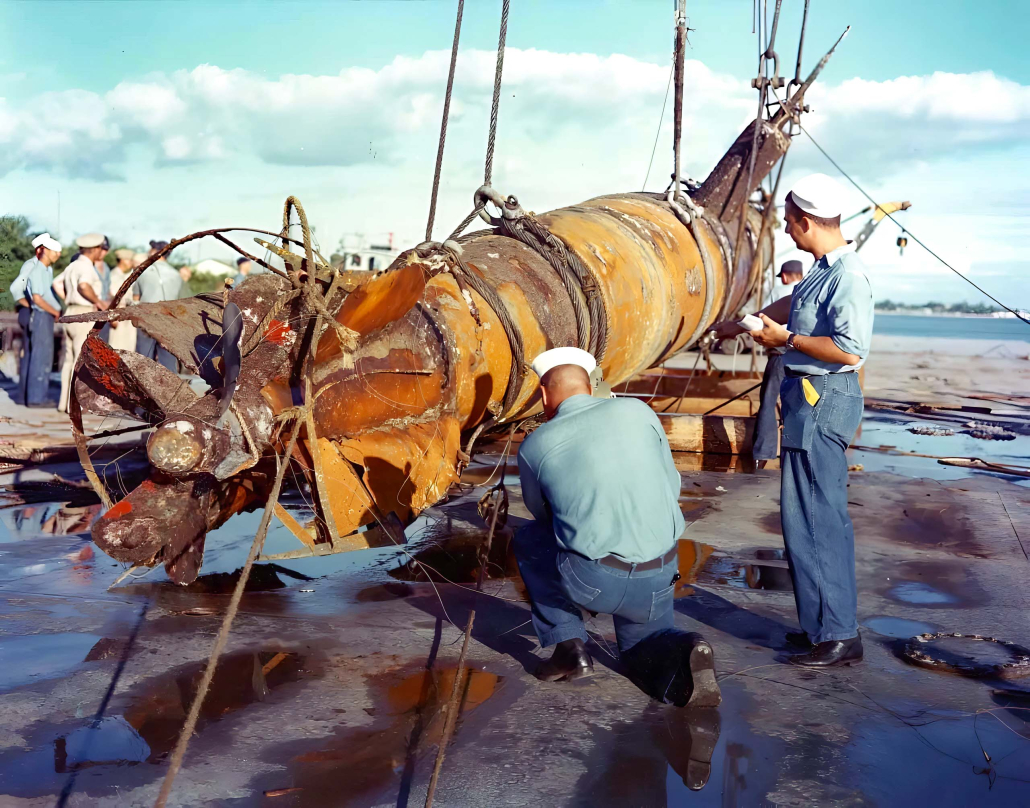
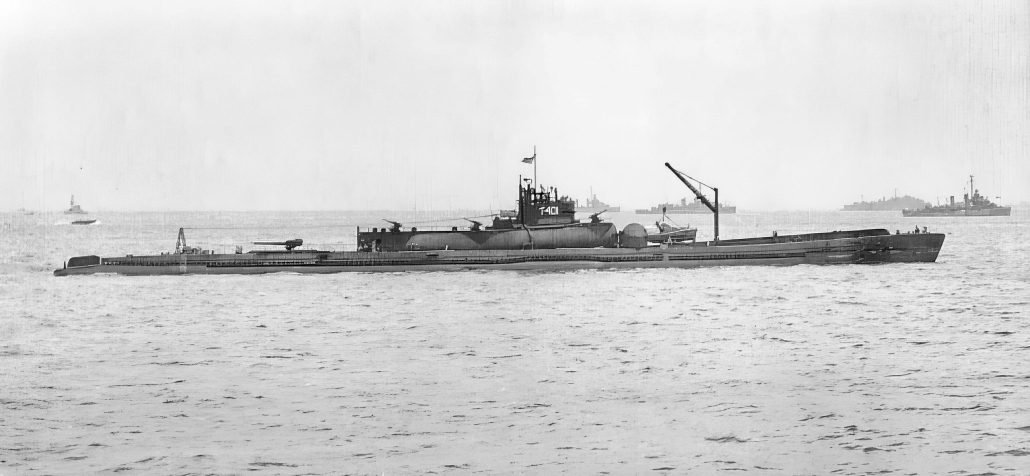
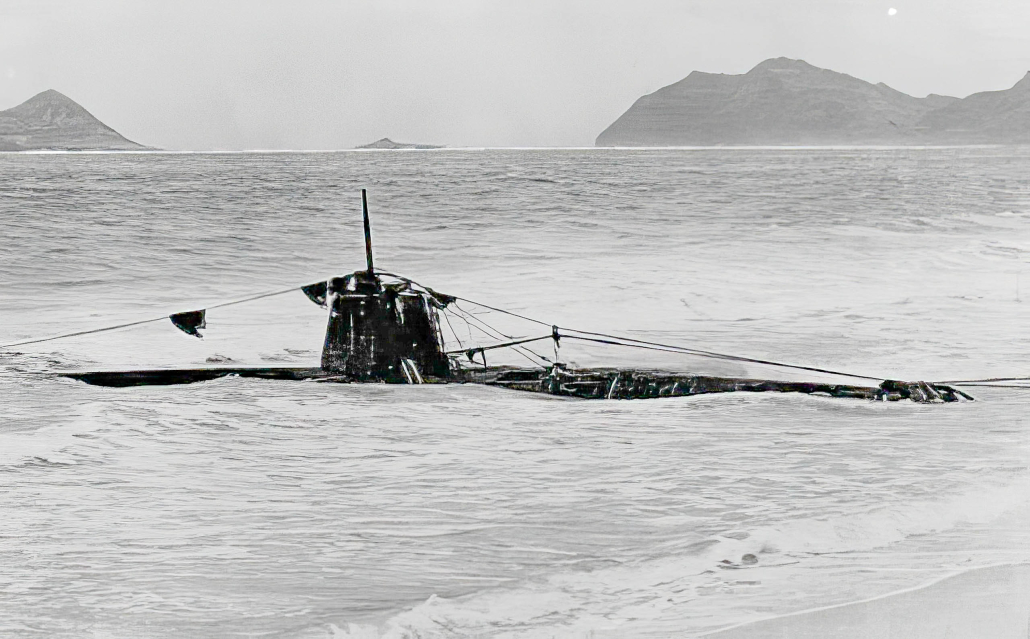
While everyone knows that the attack on Pearl Harbor was an aerial assault, not everyone is aware that submarines were involved as well. Japan deployed several “midget” submarines weighing less than 150 tons. These vessels had a limited range but were harder to detect on sonar and could navigate shallower waters than larger submarines. During the Pearl Harbor attack, the Japanese Empire sent in midget submarines to target additional ships while their aircraft struck from above. However, only one midget sub entered the harbor, which the USS Ward sank before the main raid.
Unfortunately, the midget submarines faced numerous issues, and none returned to Japan. One even washed ashore the day after the attack. Midget subs continued to be deployed in the Pacific Theater, but their track record of failure did not improve. They were spotted at locations like Sydney and Guadalcanal; some were even discovered in the Aleutians near Alaska.
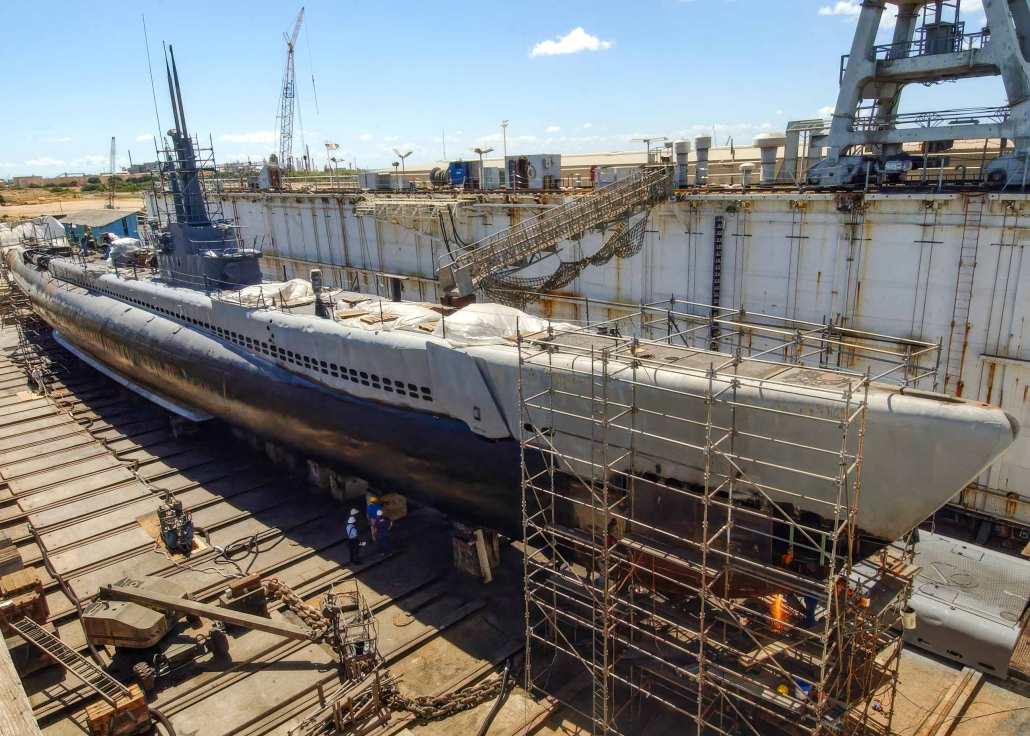
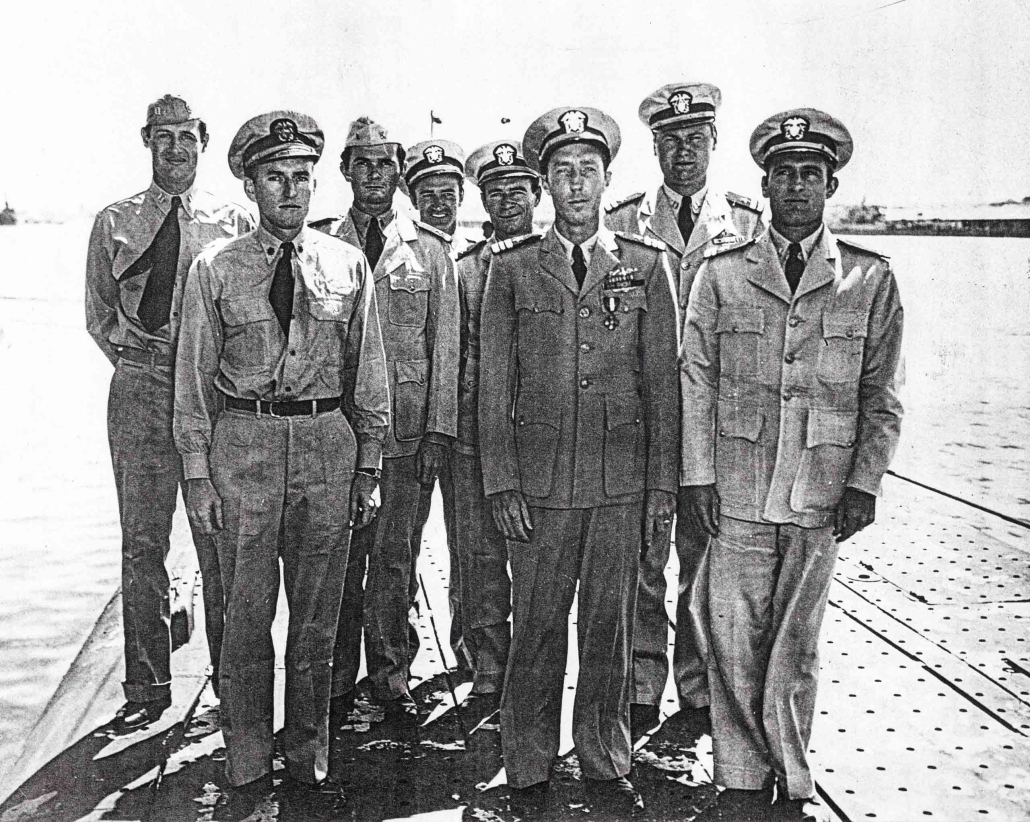
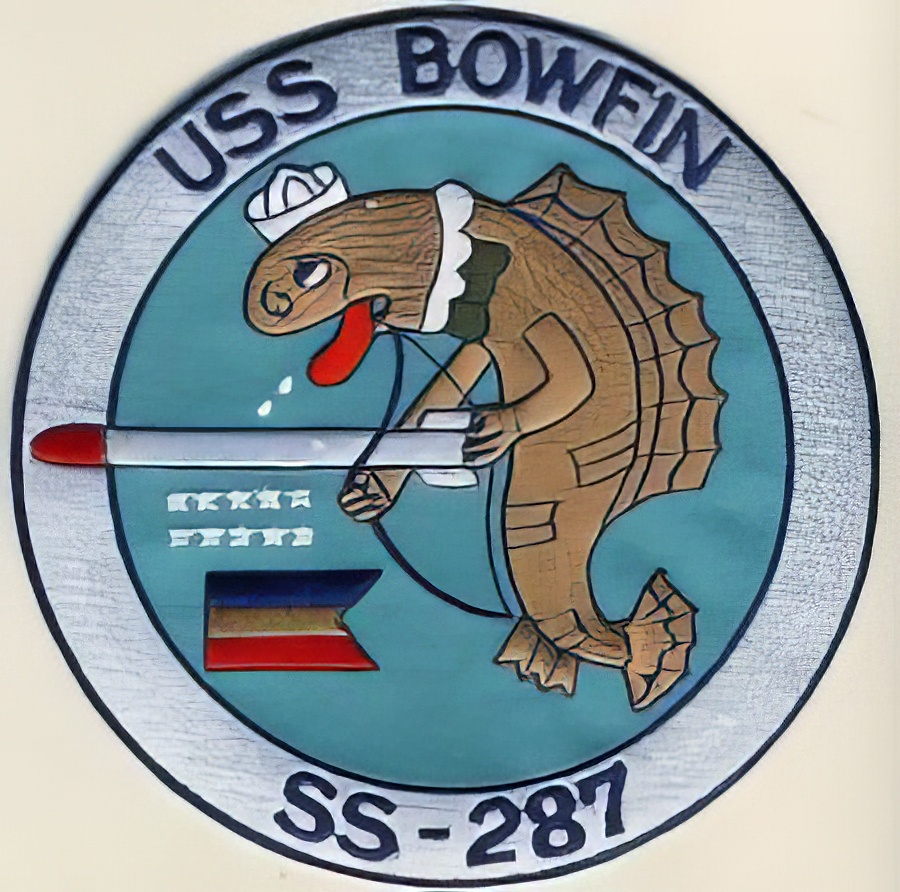
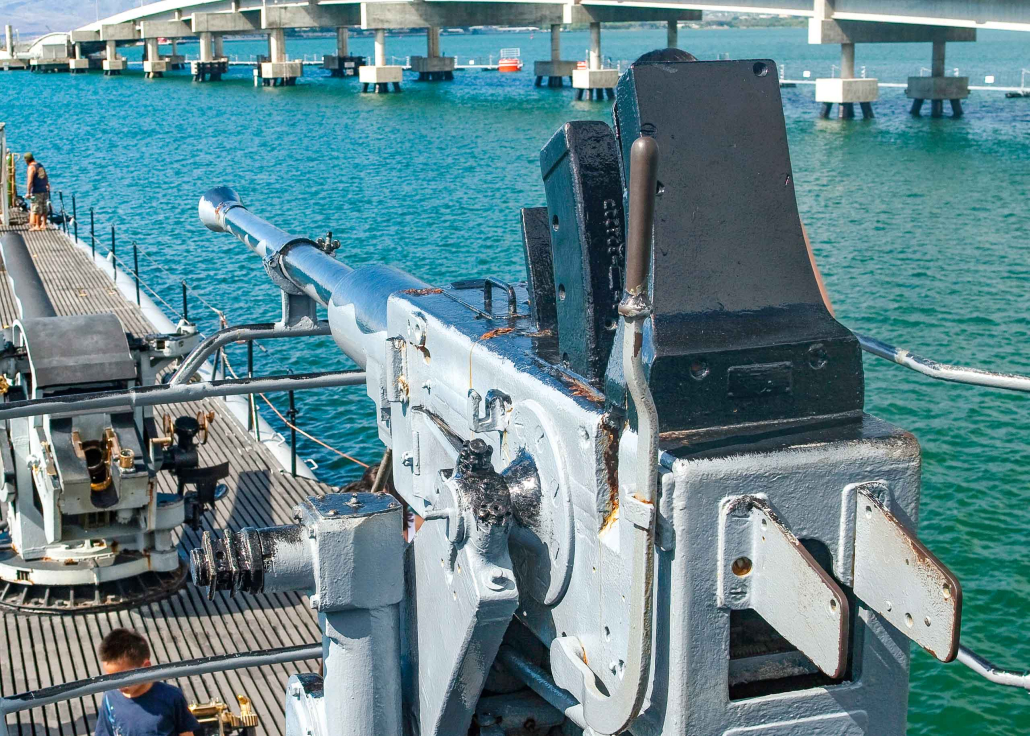
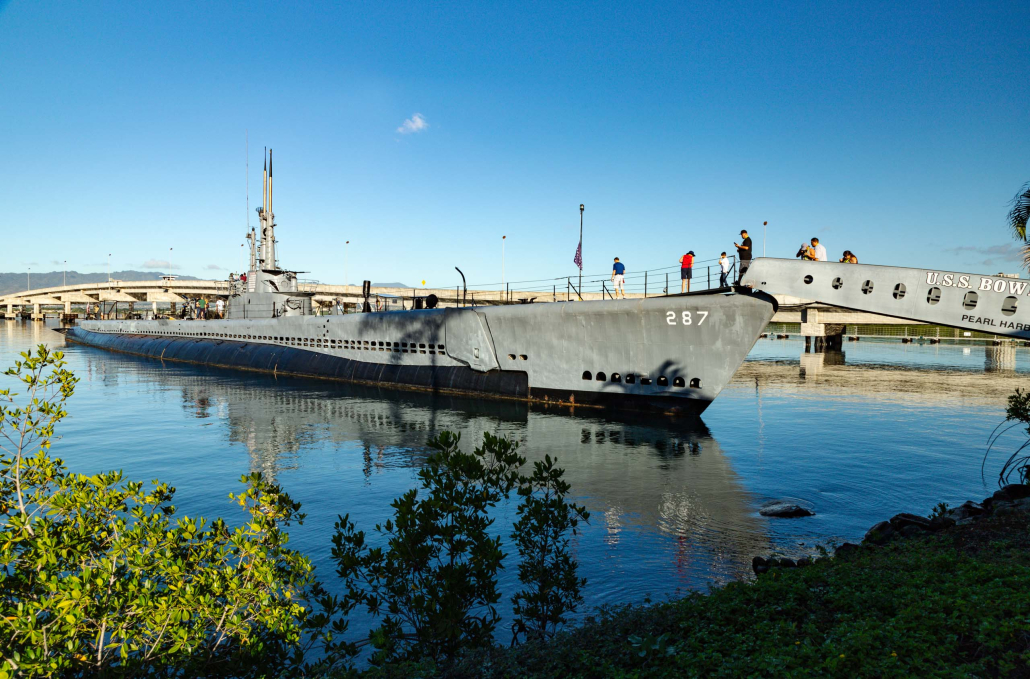
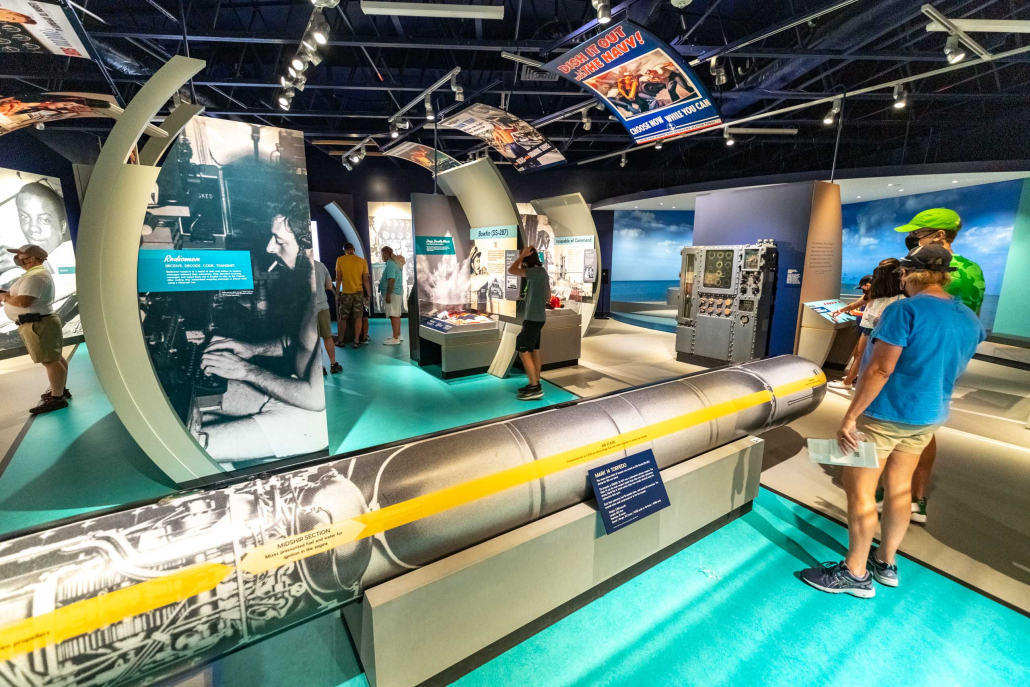
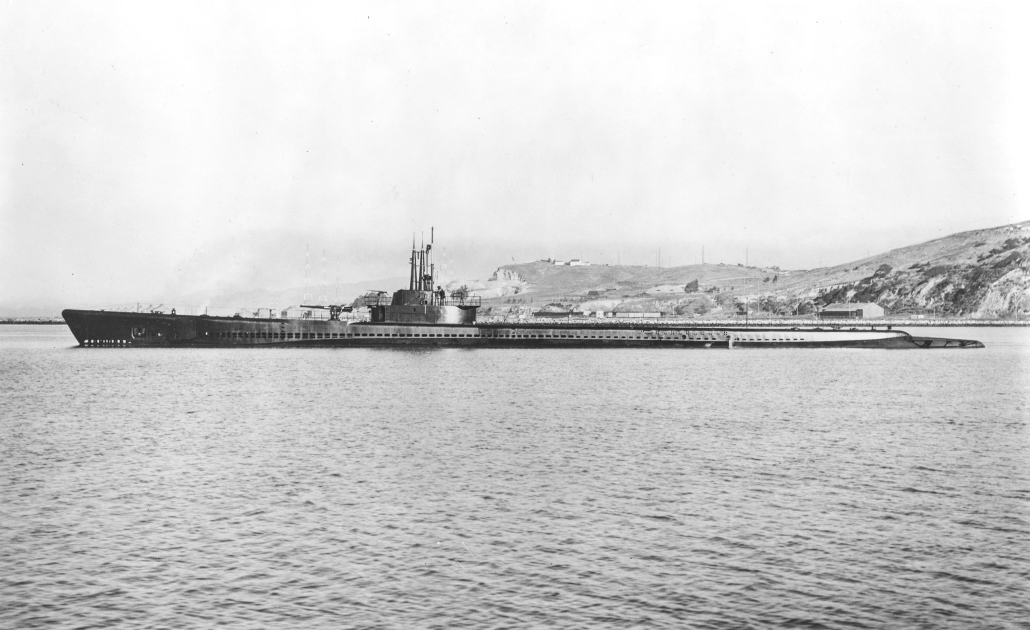
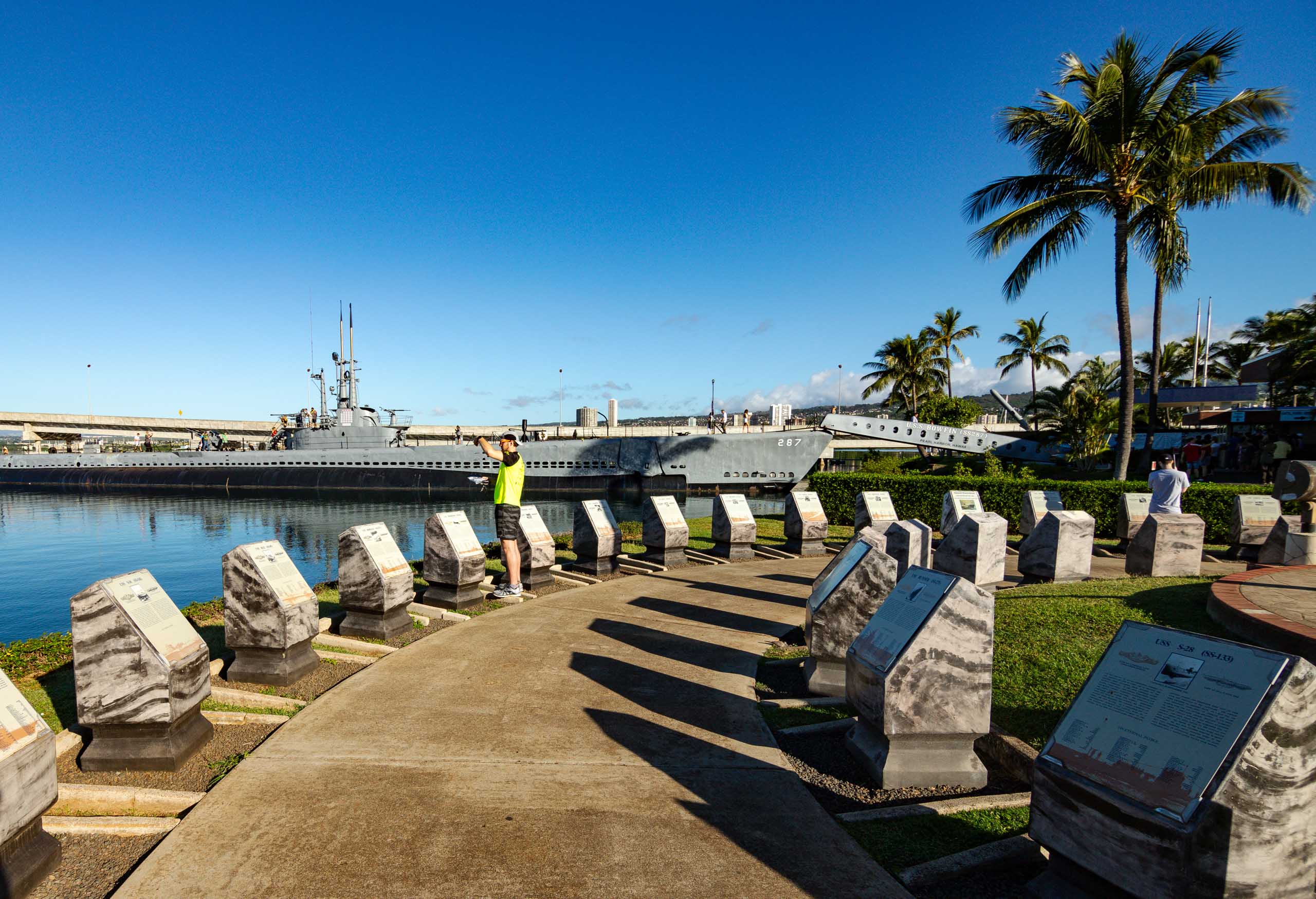
Launched exactly one year after the Japanese attack on Pearl Harbor, the USS Bowfin (SS-287) earned the nickname “Pearl Harbor Avenger.” It became one of the most decorated submarines in the Pacific Theater, credited with sinking over a dozen enemy vessels.
Commissioned on May 1, 1943, the USS Bowfin immediately entered combat. It completed nine patrols across the Pacific, operating in waters from the South China Sea to the Sea of Japan. During its missions, the Bowfin sank several enemy vessels, including the Kirishima Maru, which it helped the USS Billfish sink on its first patrol. The Bowfin is credited with sinking over 30 ships and damaging another seven. Among the 288 submarines deployed by the U.S. Navy that saw combat during World War II, the Bowfin ranked 15th in terms of the number of enemy vessels sunk.
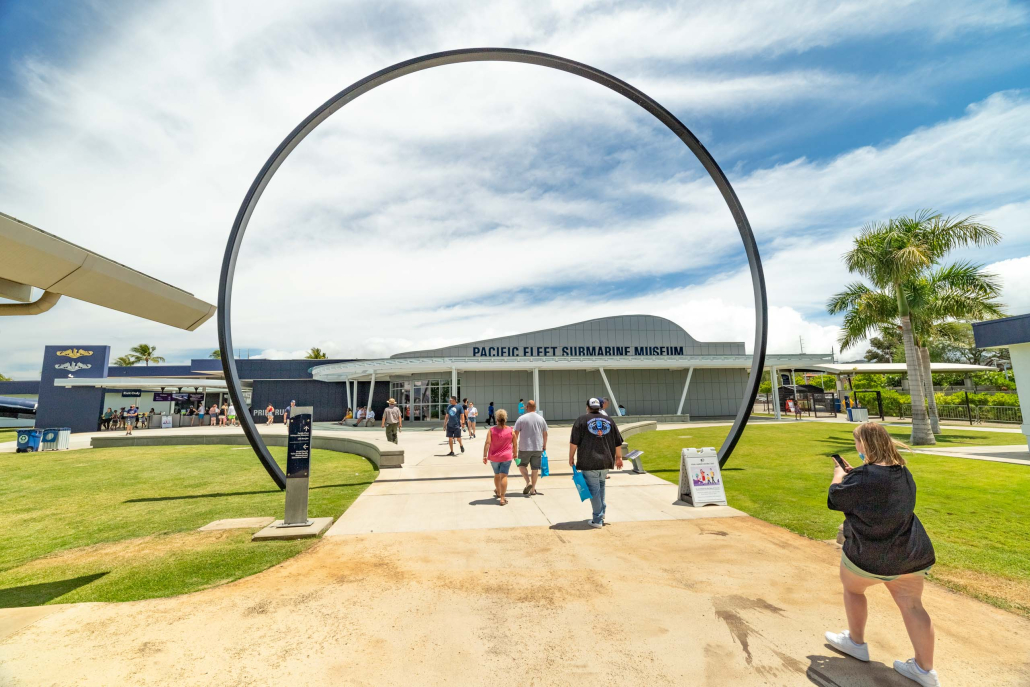
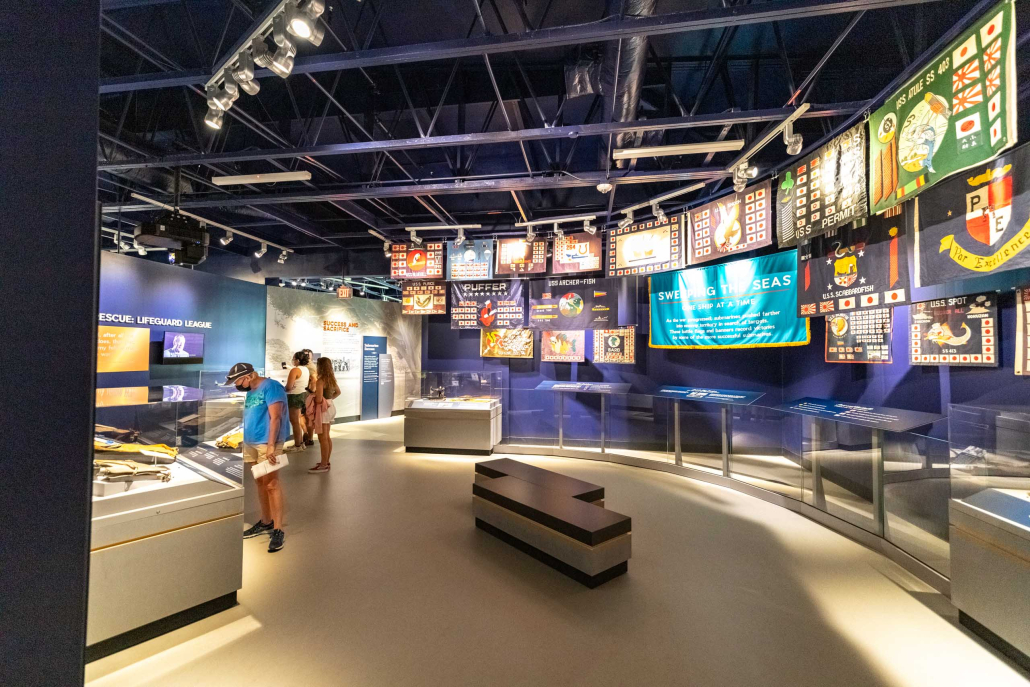
After her final decommissioning in 1971, the USS Bowfin might have faced the fate of being dismantled and sold for scrap, like many other U.S. Navy vessels. Instead, this iconic submarine was destined for a greater purpose: to serve as a lasting tribute to how the United States rose from the December 7, 1941, attack on Pearl Harbor and ultimately triumphed in the Pacific Theater. When you visit Pearl Harbor, make sure to visit the USS Bowfin and the Pacific Fleet Submarine Museum. You will learn how submarines became an integral part of the Navy’s attack plan in the Pacific.
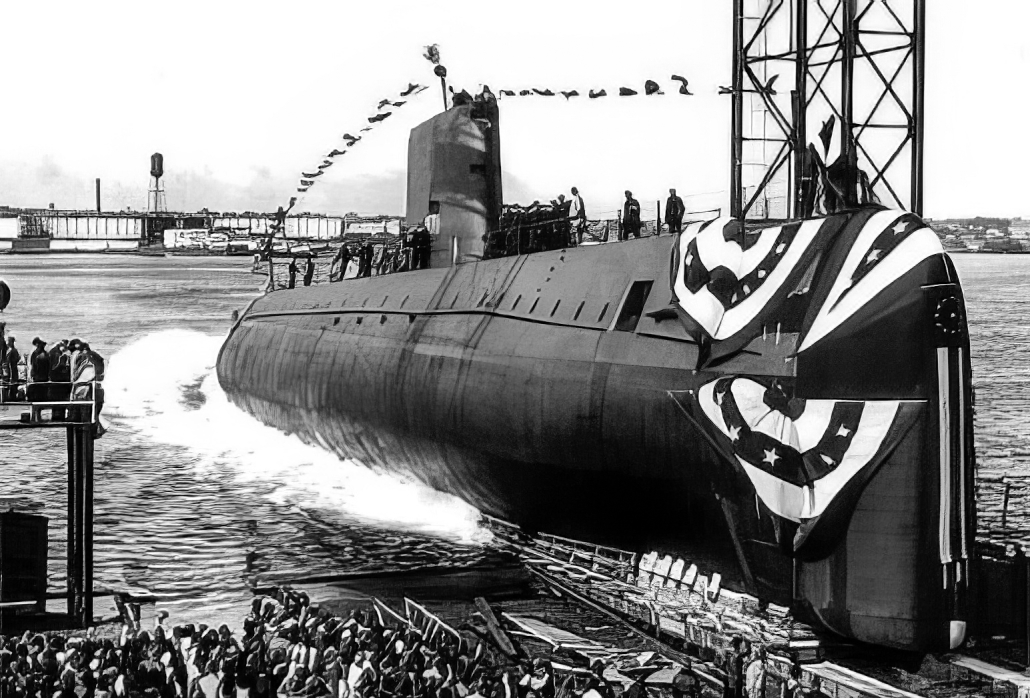
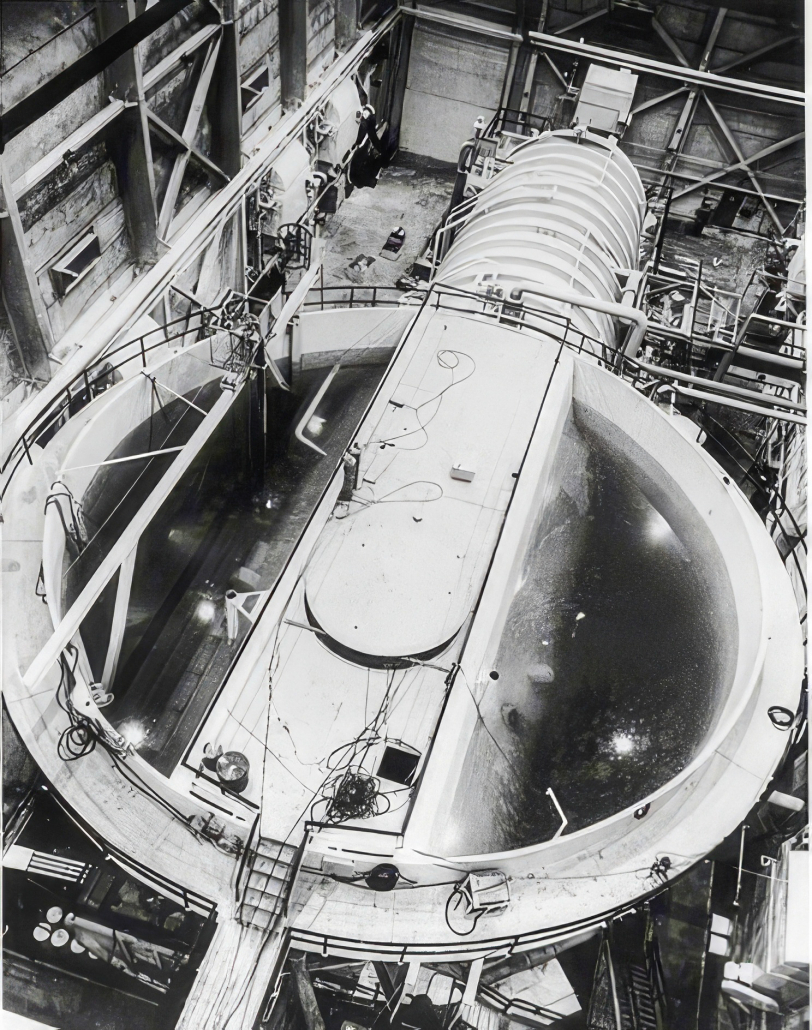
During World War II, submarines were formidable in the oceans but faced significant limitations. Powered by diesel engines, these submarines had to surface frequently for fuel and air, which was necessary for both the crew and the engines, limiting their time submerged. This changed with the introduction of the USS Nautilus, the world’s first nuclear submarine.
Launched by the U.S. Navy in 1954, the Nautilus could remain underwater for extended periods since nuclear reactors do not require oxygen. One of its most notable achievements was becoming the first vessel to navigate beneath the North Pole’s ice pack. This feat had been impossible due to the freezing risks associated with diesel engines. Beyond this landmark, the Nautilus served effectively as a naval vessel.
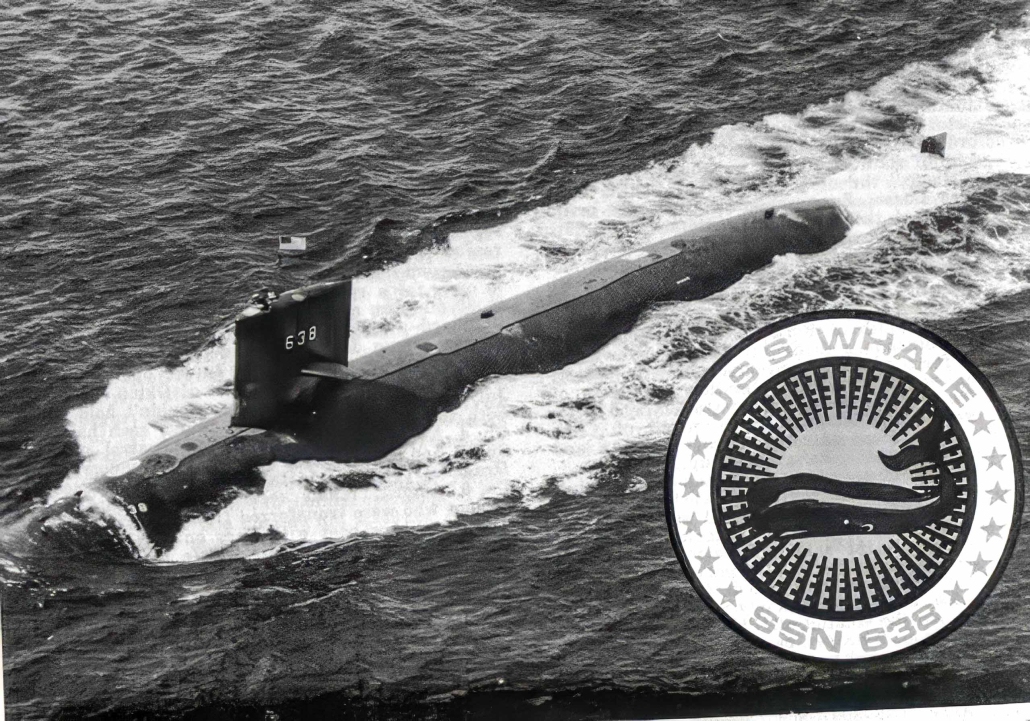
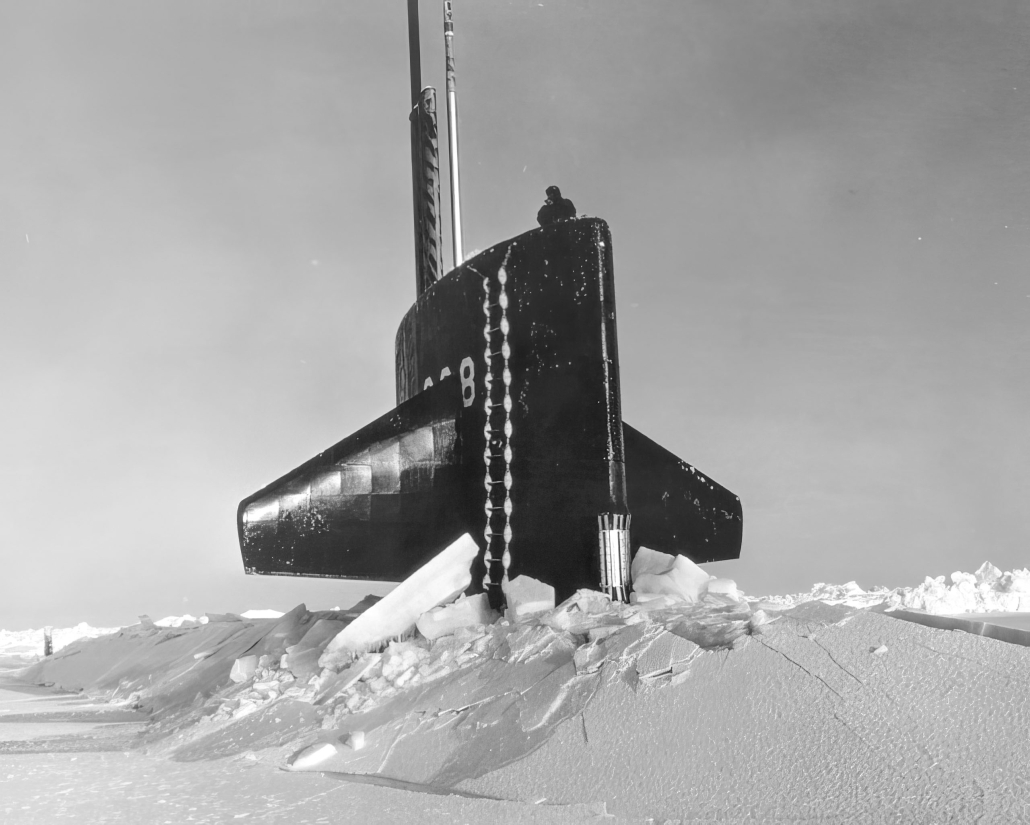
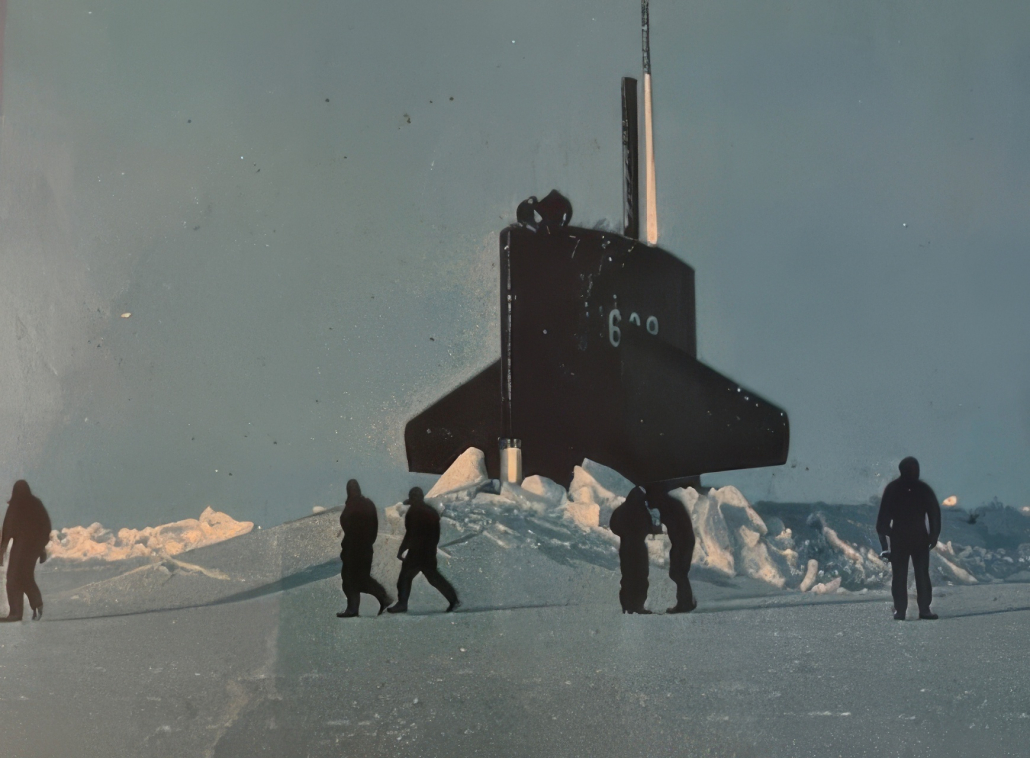
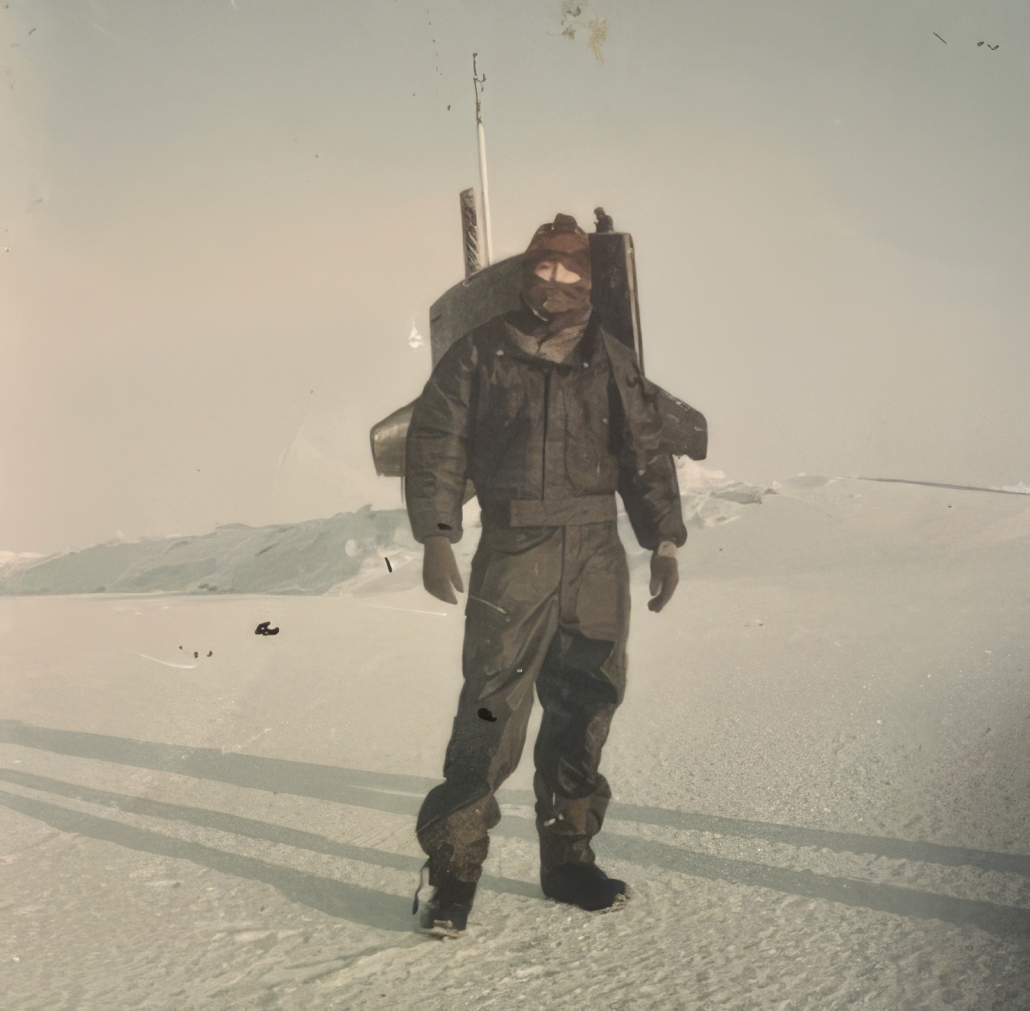
USS Whale (SSN-638) was a Sturgeon-class nuclear-powered attack submarine. She surfaced at the North Pole to commemorate the 60th anniversary of Rear Admiral Robert E. Peary’s arrival in 1909. While not the first submarine to surface at the Pole – that was the USS Skate – she was one of a small group to have that honor.
Submarines have consistently demonstrated their adaptability in significant power conflicts. Whenever commanders required the destruction of a convoy, the evacuation of a garrison, or the rescue of a downed pilot, submariners rose to the occasion, often succeeding when no other naval asset could.



Things To Do In Oahu
We list some of the most popular things to do in Oahu. Start your exploration with a visit to the Arizona Memorial using a local expert tour guide. Get more out of your vacation to Hawaii with our recommendations. Check it out now.
Read moreAmerica’s Battleships at Pearl Harbor
On December 7, 1941, Japanese forces struck Pearl Harbor’s Battleship Row, devastating U.S. battleships and forever altering the course of World War II.
Read moreCelebrating Our Veterans
Honor Veterans Day with a visit to Pearl Harbor and discover the history, meaning, and significance of this day dedicated to honoring U.S. veterans from all wars. Learn how to express gratitude in respectful, meaningful ways.
Read moreThe Making of Tora! Tora! Tora!
The making of Tora! Tora! Tora! (1970): A look at the meticulous efforts and challenges in recreating the Pearl Harbor attack.
Read moreNational Pearl Harbor Remembrance Day
Remember Pearl Harbor is something we repeat and is on our tag-line because there are so many important lessons to be learned from the events of that infamous day back in 1941
Read moreHistory of the Pineapple
Pineapples have had an influence on our diets and even architecture. Learn all about pineapples from Hawaii and across the world. The founders, the growth and even varieties available today.
Read more14 Interesting Facts About Pearl Harbor
The first of many Pearl Harbor facts about the attack is that on the morning of December 7th, 1941, the Wickes-class destroyer USS Ward attacked and sank a Ko-hyoteki-class midget submarine near the entrance to the harbor.
Read moreAncient Hawaiian History Timeline
As Polynesians continued to arrive in the Hawaiian islands from the south the native populations grew around the now expanding shallow lagoon.
Read moreThings You Donʻt Know About Pearl Harbor
There is a rich and important history associated with this area both before, during, and after the Japanese attack. Here are a few fun things you may not have known about Pearl Harbor.
Read moreBuilding The Hawaiian Kingdom
As Kamehameha battled for control of all the islands foreigners began to play a key role in his plans for a kingdom. In those days the Mo’i or King of an island was the absolute ruler.
Read morePearl Harbor Attack
It was a sunny Sunday morning when, on December 7, 1941, the Imperial Japanese Air Force launched planes from 6 Japanese aircraft carriers North of Oahu. The rest is history.
Read more