
The Backbone Of The US Navy’s Pacific Fleet
Before the attack on Pearl Harbor, nine American ships were stationed off Ford Island to deter Japan’s imperial ambitions. These ships, collectively called Battleship Row, differed in age, armament, and service history. Each vessel was staffed by dedicated crew members, many of whom lost their lives that day. Read on as we explore each of these ships, their unique history, and their role in defending against the enemy attack on Pearl Harbor. The ships’ stories are presented here in alphabetical order.
USS Arizona (BB-39)
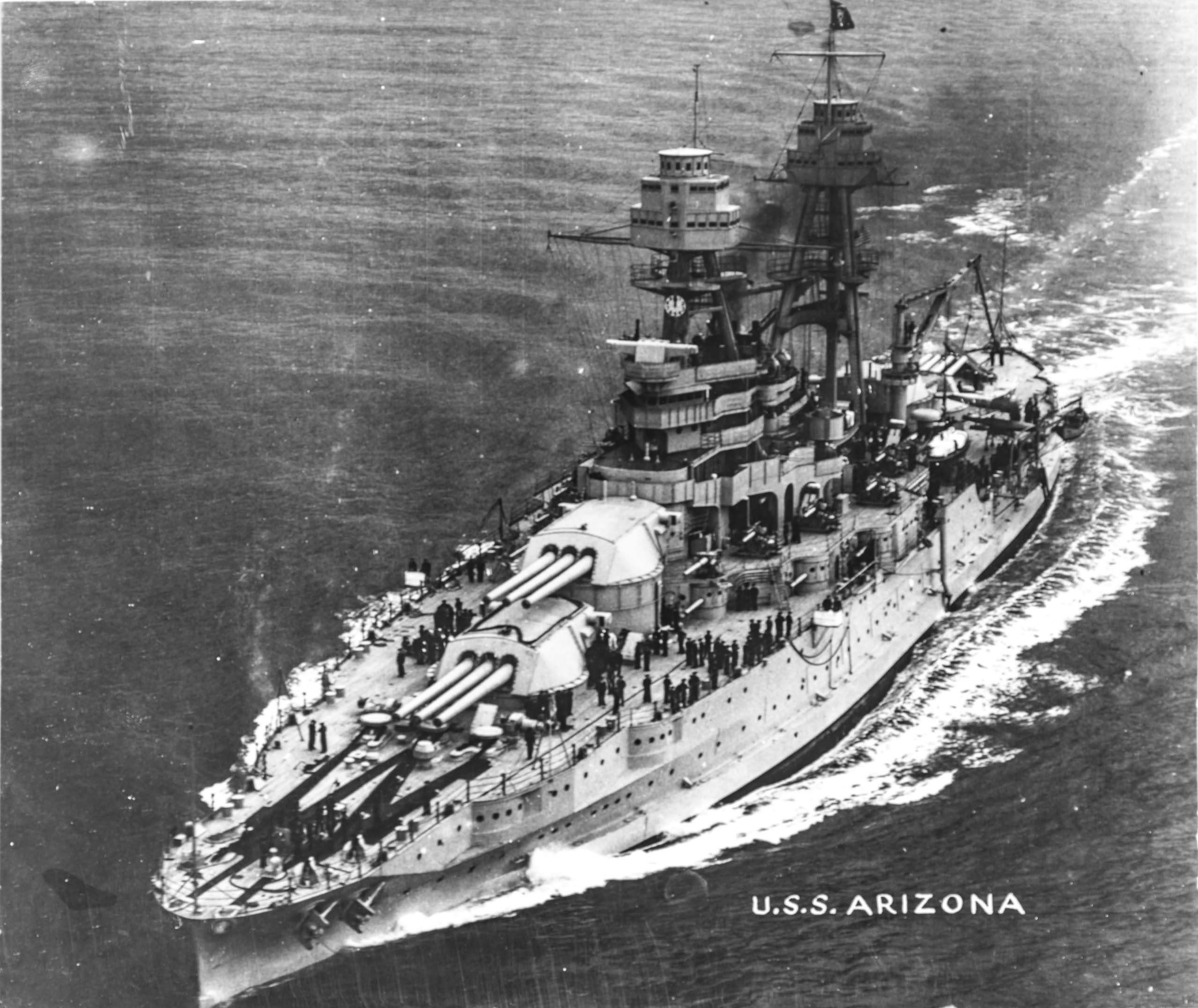
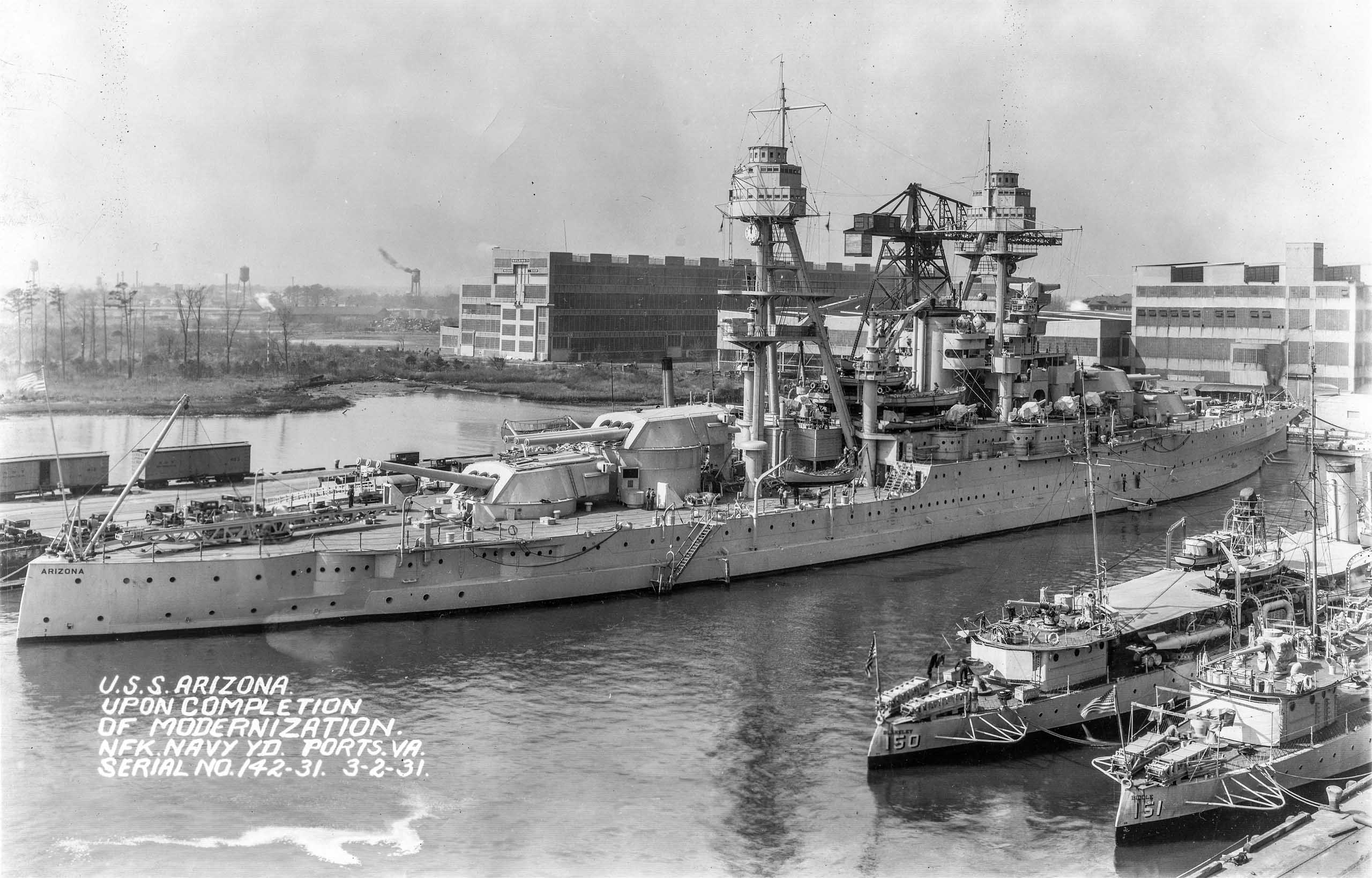
Commissioned in 1916, the USS Arizona initially remained in the U.S. during World War I but had a notable role in escorting President Woodrow Wilson to the Paris Peace Conference. In 1919, the ship was sent abroad to represent American interests during the Greco-Turkish War. Two years later, Arizona was assigned to the Pacific Fleet, where it would serve for the remainder of its career.
Throughout the 1920s and 1930s, Arizona was frequently involved in training exercises, though it underwent a significant modernization from 1929 to 1931. The ship played a part in relief efforts following a 1933 earthquake near Long Beach, California, and appeared in the 1934 James Cagney film Here Comes the Navy. Budget constraints led to extended periods in port from 1936 to 1938. In April 1940, the Pacific Fleet’s base was relocated from California to Pearl Harbor, Hawaii, as a strategic move to counter Japanese expansionism. She was moored at Battleship Row when the Japanese launched their attack and was almost immediately struck by a 1,760-pound projectile.
The explosion from the hit ignited Arizona’s fuel and munitions, causing a massive blast that lifted the battleship out of the water. This devastating event resulted in the loss of 1,177 lives aboard the vessel, including Rear Adm. Isaac C. Kidd, the commander of Battleship Division One. Although there was an attempt to recover the bodies trapped within the wreck, it was ultimately decided to leave over 900 remains inside the wreckage. Over this wreckage, the Arizona Memorial stands today as part of the Pearl Harbor National Memorial.
USS California (BB-44)
The flagship of the Battle Force, the USS California, was moored at Battleship Row, where her crew was preparing for an inspection. At the beginning of the conflict, she suffered strafing attacks from enemy aircraft but could return fire effectively until ammunition supplies were depleted. Once the ship ran out of ammo, it became vulnerable, allowing a pair of Nakajima B5N torpedo bombers to launch their torpedoes.
Battleship California was struck by two Japanese torpedoes, one near the bow and one near the stern. The ship was also hit by a bomb and narrowly missed by another, leading to further flooding. Despite its design featuring strong protection against underwater damage, California’s condition was compromised. Watertight compartments were breached, and certain design aspects were insufficient to withstand the impact of the torpedo warheads.
The ship was ordered abandoned, and despite intense efforts to manage the situation, the battleship gradually sank to the bottom of Pearl Harbor, finally coming to rest on December 10. The ship was raised in March 1942 and underwent repairs and modernization, which continued until January 1944, more than two years after the attack. Nearly a hundred of her officers and crew lost their lives during the Pearl Harbor raid.
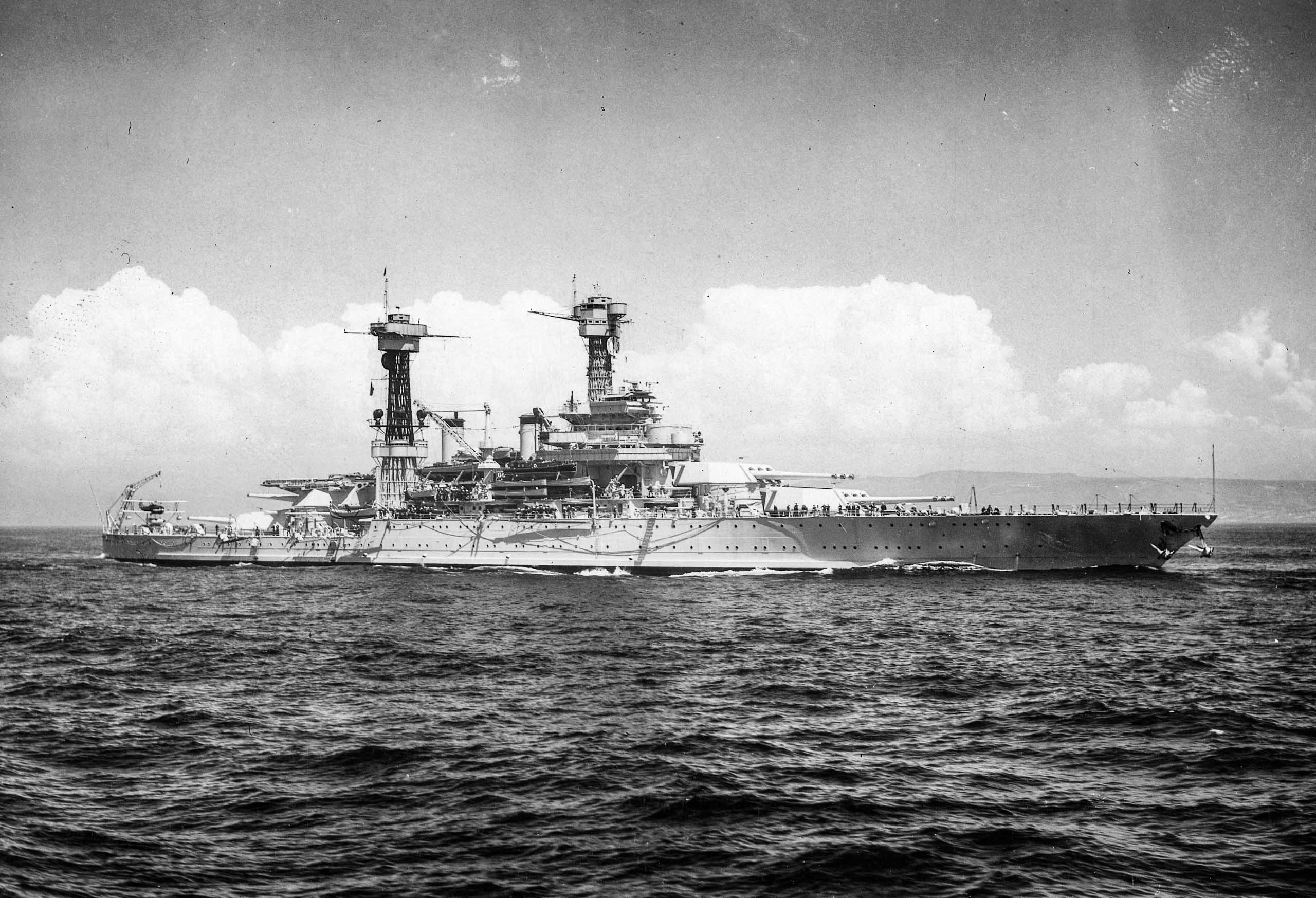
USS Maryland (BB46)
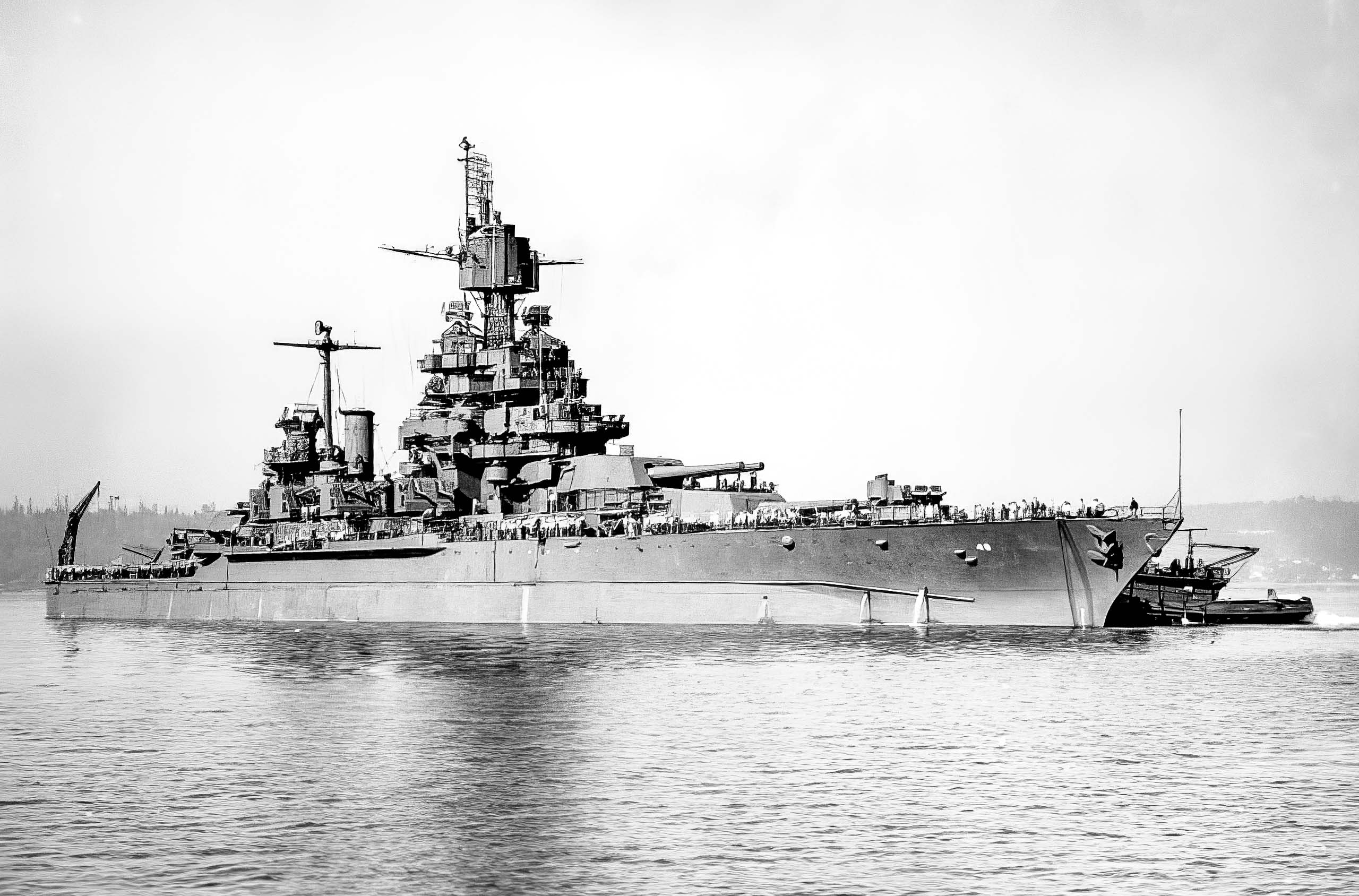
The USS Maryland, nicknamed “Fighting Mary” and “Old Mary,” was commissioned in July 1921. On December 7, 1941, while moored at Battleship Row, she was among the first ships to engage and shoot down attacking Japanese aircraft, thanks to her protected position inboard of the USS Oklahoma. Despite being struck by two armor-piercing bombs, Maryland continued to operate her anti-aircraft batteries.
Although the Japanese claimed to have sunk Maryland, she remained afloat during the Pearl Harbor attack. The battleship underwent repairs and quickly returned to service, supporting operations at the Battle of Midway and participating in the Battle of Tarawa in November 1943, where she bombarded Japanese positions on shore.
Maryland saw action in numerous battles, including those at Kwajalein Atoll, Saipan, Leyte Gulf, Okinawa, and Iwo Jima. She also served as a transport vessel during Operation Magic Carpet. After the war, she was placed in the Pacific Reserve Fleet until she was sold for scrap in July 1959.
The USS Missouri and Her Role
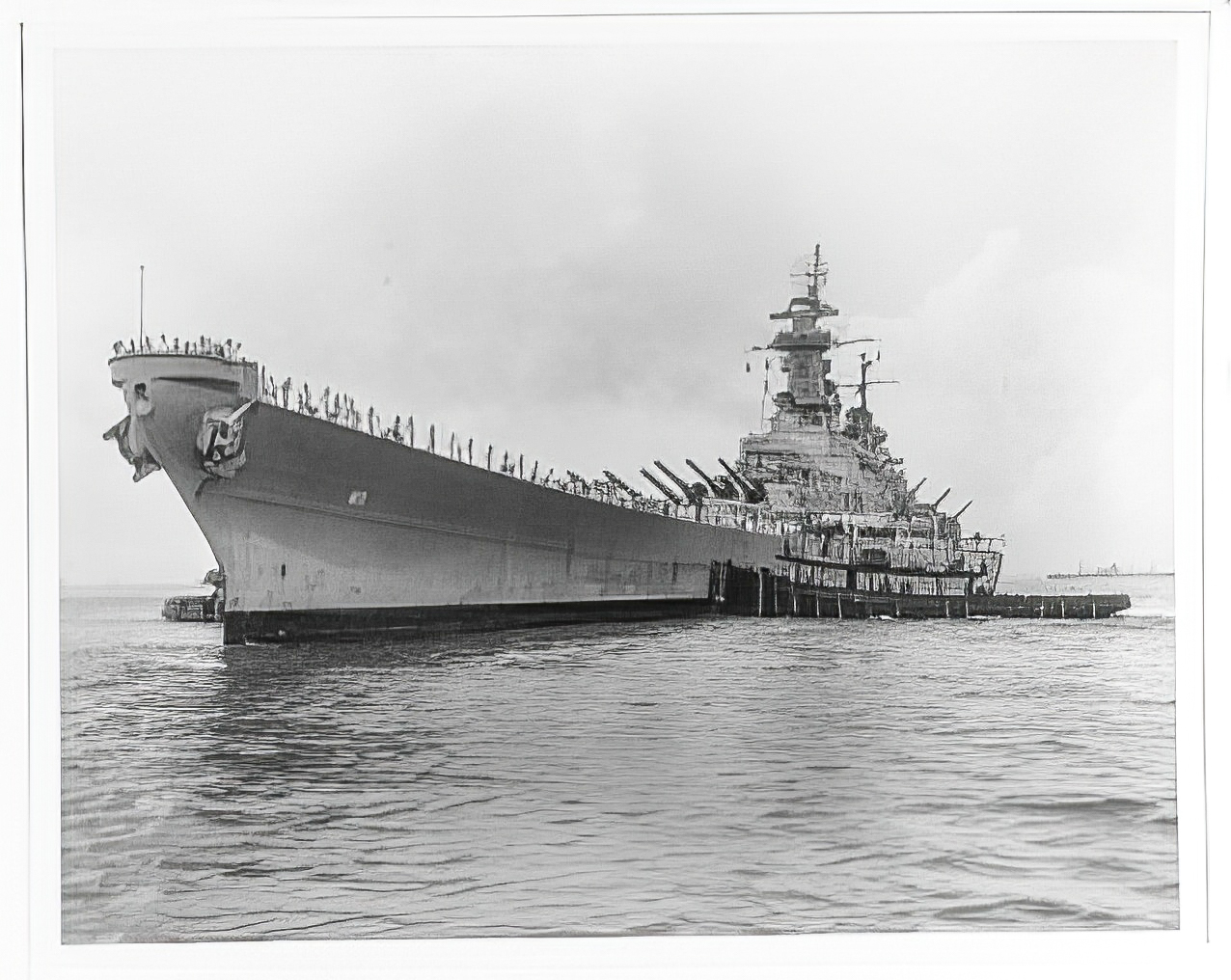
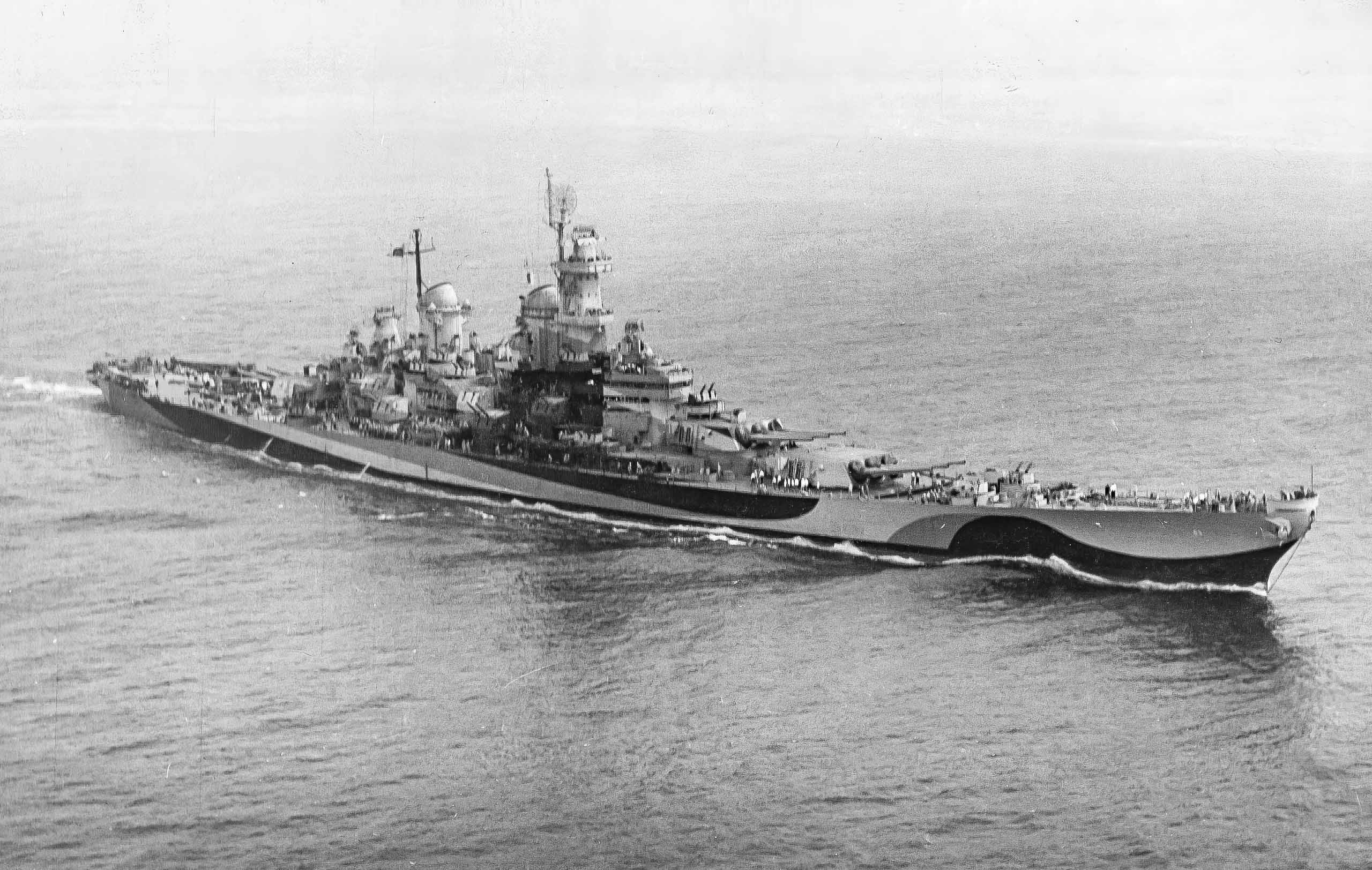
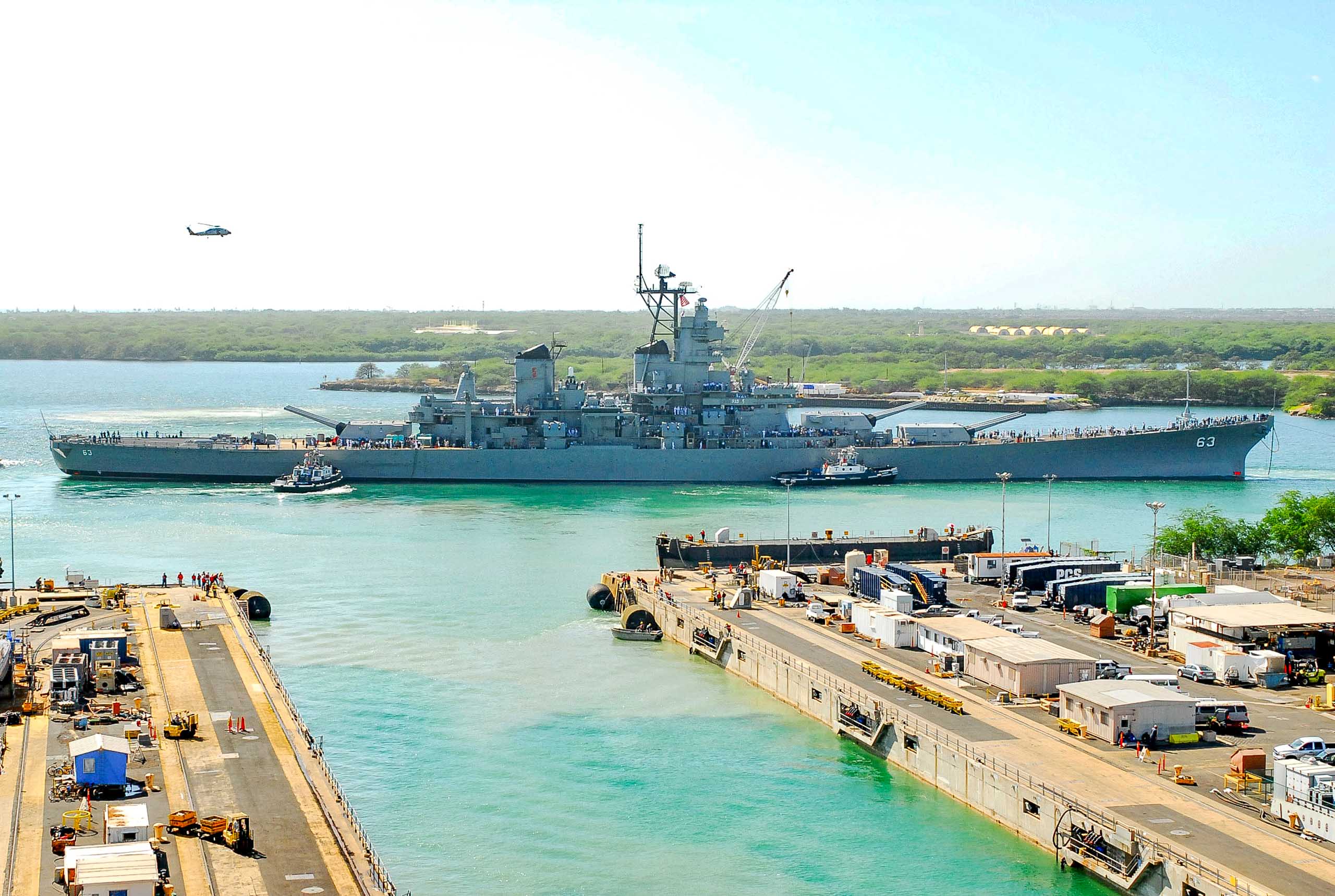
The USS Missouri (affectionately called “Mighty Mo”) was launched on January 29, 1944, and is the last U.S. battleship ever built. Toward the end of World War II, it played a crucial role in several significant Allied operations in the Pacific Theatre, including the Battles of Iwo Jima and Okinawa and the bombardment of the Japanese home islands.
Even though the Missouri wasn’t at Pearl Harbor during the Japanese attack, her role was significant to that event. On September 2, 1945, the USS Missouri was the venue for the surrender of the Japanese Empire, an event that officially ended World War II. The ceremony, held on the ship’s deck in Tokyo Bay, was overseen by General Douglas MacArthur.
She later fought in the Korean War during two tours between 1950 and 1953. Missouri was decommissioned in 1955. In 1984, the USS Missouri was reactivated and modernized under the 600-ship Navy plan. The ship was deployed in the Persian Gulf, where it escorted oil tankers amid threats from Iran, frequently keeping its fire-control systems focused on Iranian missile launchers. During Operation Desert Storm in 1991, the Missouri provided crucial fire support.
“Mighty Mo” was again decommissioned in 1992 and donated to the USS Missouri Memorial Association in 1998 to become a museum ship at Pearl Harbor where you can stand on the exact spot where WWII ended.
USS Nevada (BB36)
Commissioned in 1916, the Nevada was hailed by The New York Times as “the greatest [battleship] afloat” due to her triple gun turrets and “all or nothing” armor design. During World War I, she escorted convoys to the British Isles and later engaged in training exercises and modernization.
On December 7, 1941, Nevada was not moored directly alongside other ships at Battleship Row. She was the first to engage the attacking Japanese aircraft, opening fire early in the assault. Despite taking hits from carrier bombers, Nevada managed to survive the attack. The fleet was ordered to head to the relative safety of the open sea where they could maneuver to avoid torpedoes.
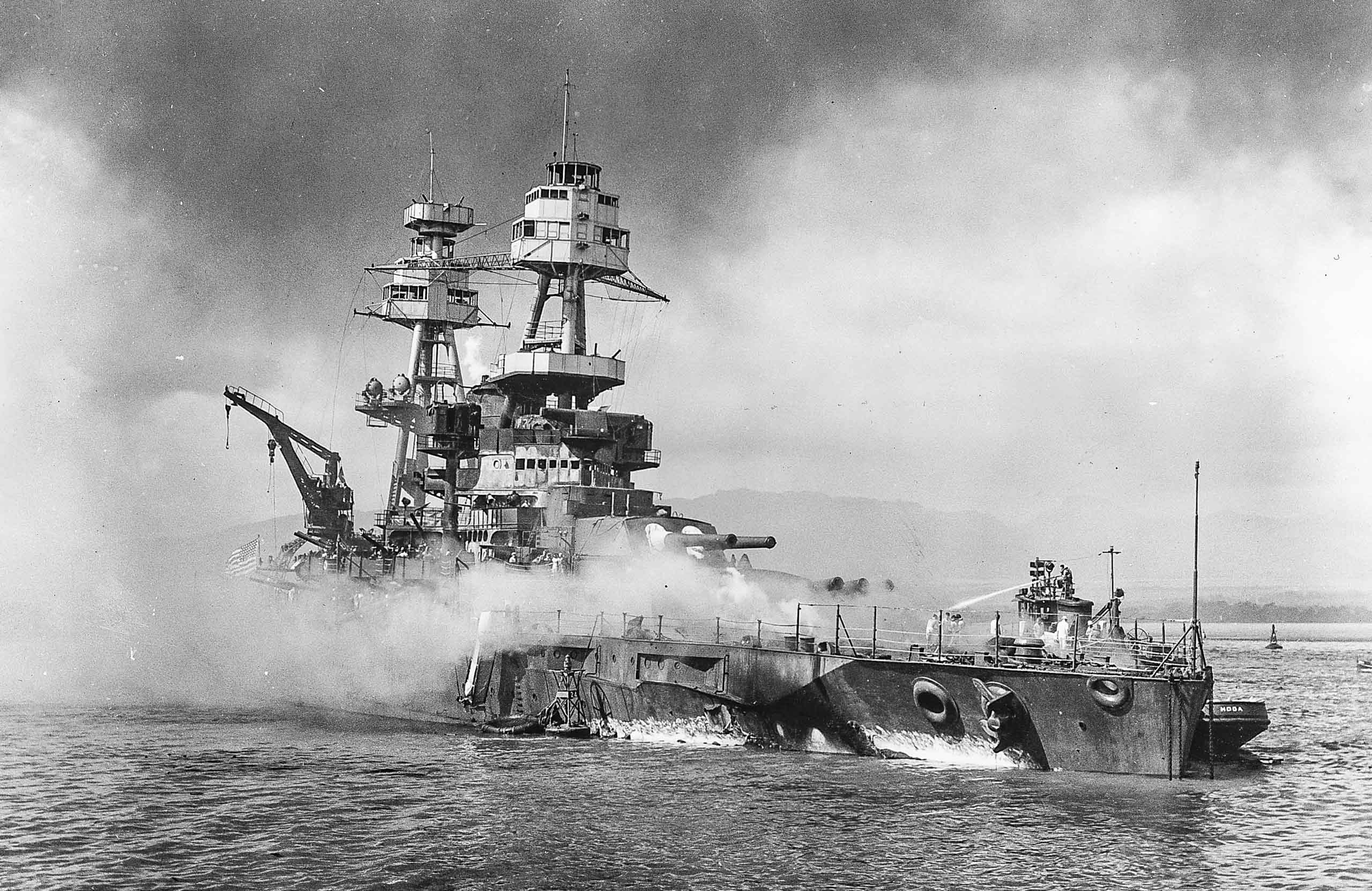
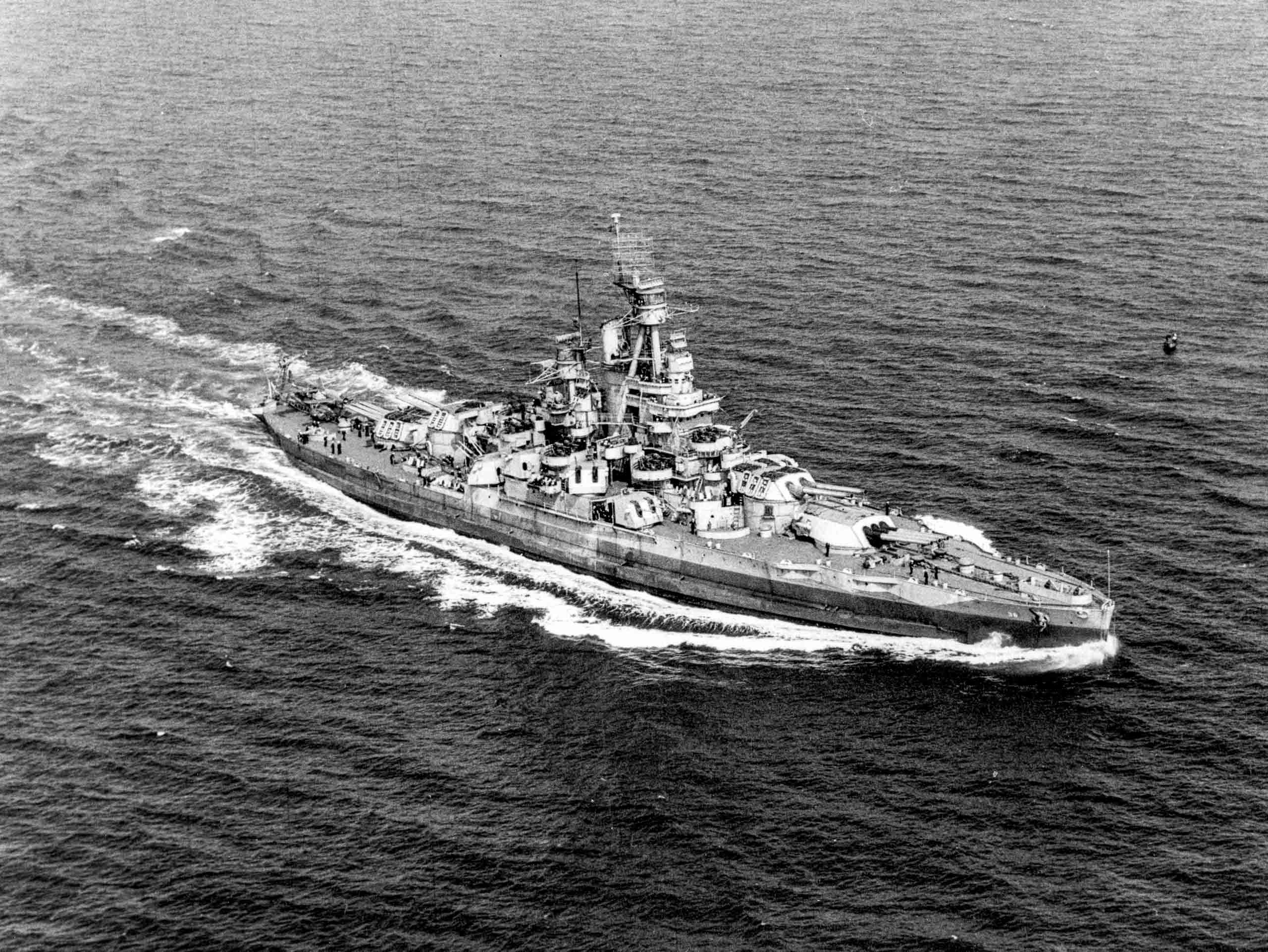
Her attempt to maneuver drew cheers from those onshore and from stationary ships. While Nevada’s movement briefly boosted morale, she sank deeper into the water. She was signaled to halt her movement as she approached a position opposite the USS California. In response, her officers shut down the engines and prepared to drop anchor. However, as they were executing these orders, the second wave of the attack began, featuring 78 dive bombers targeting the ships. Noticing Nevada in motion, several of the Japanese dive bombers redirected their focus, delivering five hits. Although these bombs did not cause fatal damage, they inflicted severe damage and casualties, complicating the ship’s fire-fighting and anti-flooding efforts. After the attack, Nevada was visibly listing to port and settling by the bow, indicating severe distress.
Nevada was beached at Waipi’o Point but continued to burn. Eventually, despite heroic efforts to keep her afloat, she sank to the bottom. Nevada was refloated on February 12, 1942, but it took six days to tow her to the shipyard. There, she was sufficiently repaired to make her seaworthy. On April 22, 1942, Nevada steamed under her own power to the Navy Yard in Bremerton, Washington. She resumed active service in late 1942 and continued to serve throughout the remainder of the war. In 1944, she played a crucial role in the Normandy invasion, providing artillery support by shelling German tanks and other targets deep inland.
USS Oklahoma (BB-37)
The Oklahoma, a Nevada-class battleship, was commissioned in May 1916. During World War I, she escorted Allied convoys across the Atlantic and, like the Arizona, participated in escorting the USS George Washington to the Paris Peace Conference.
Following modernization during the interwar years, the Oklahoma was deployed to Europe to assist in evacuating refugees and American citizens affected by the Spanish Civil War. She was later stationed at Pearl Harbor with the U.S. Pacific Fleet, where she carried out routine patrols and participated in training exercises.
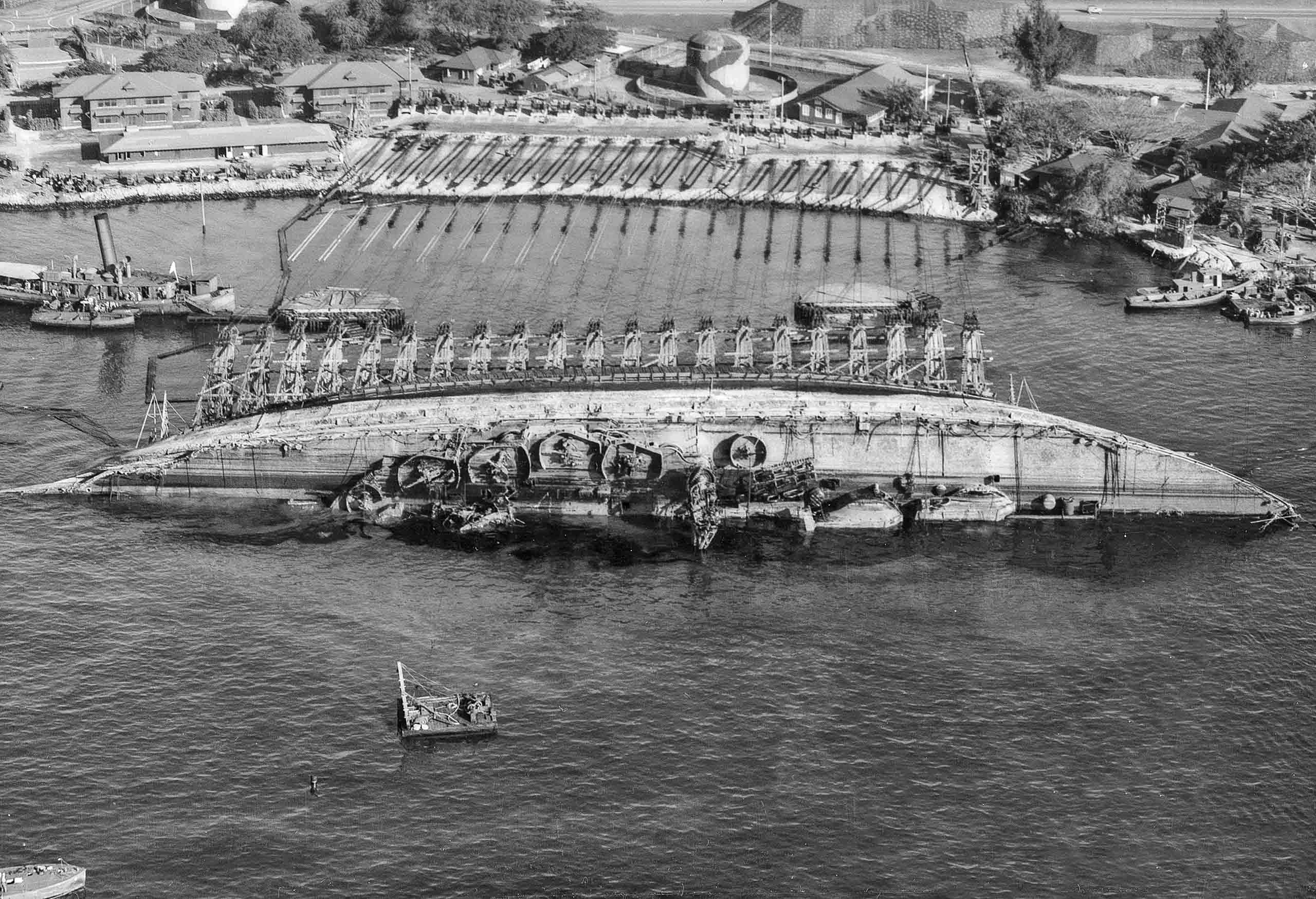
When the Japanese launched their attack, the Oklahoma was docked at Battleship Row and was among the first targets. Aircraft from enemy carriers struck her with five torpedoes and strafed those attempting to escape. Determined to continue the fight, many surviving crew members boarded USS Maryland (BB-46) and manned anti-aircraft guns. The attack resulted in 429 casualties.
Many of those who died aboard the Oklahoma were unidentified, leading to the establishment of the USS Oklahoma Project by the Defense POW/MIA Accounting Agency (DPAA). By the time the program concluded in 2021, 355 of the 388 exhumed remains had been identified.
USS Pennsylvania (BB-38)
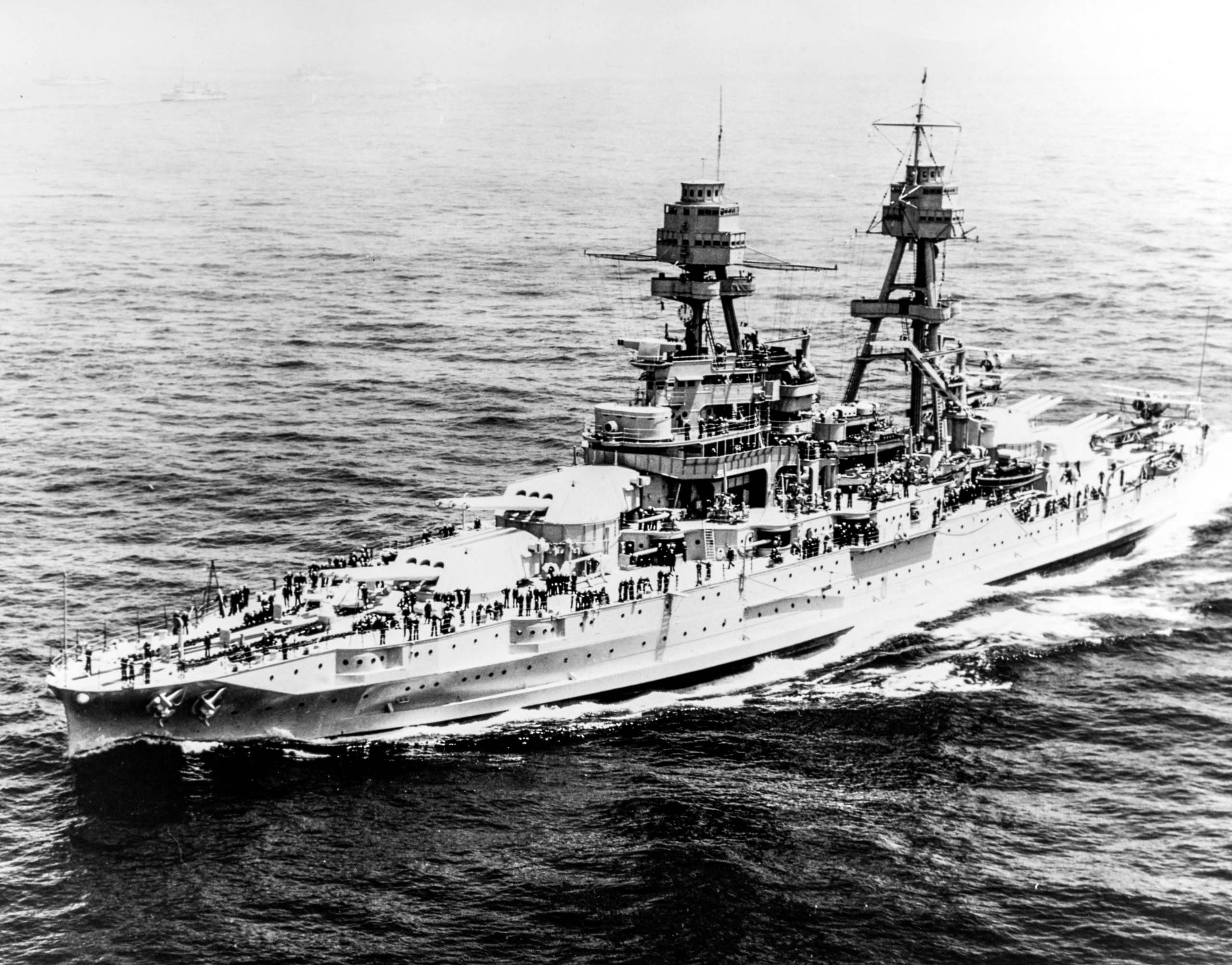
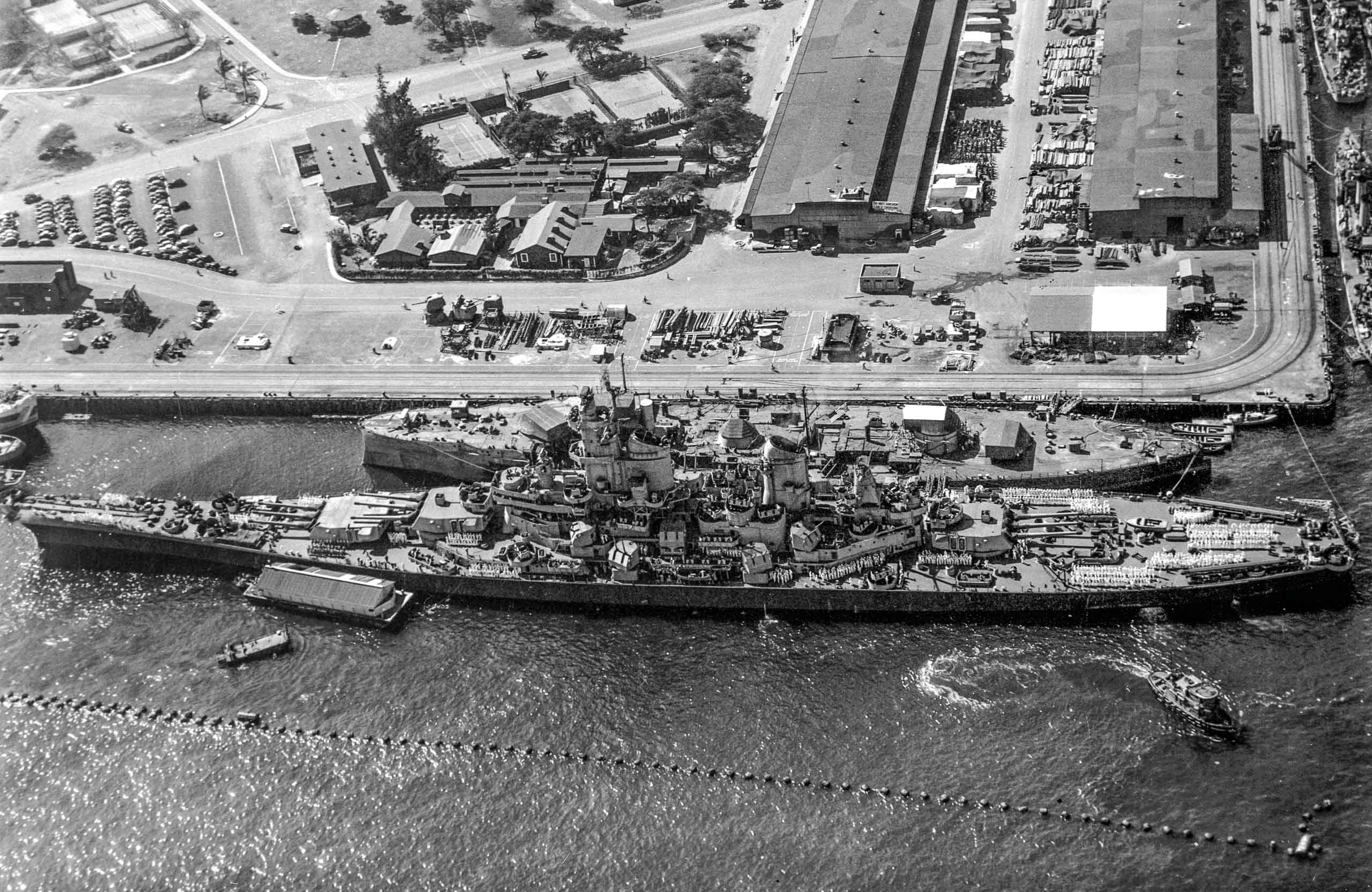
Commissioned in June 1916, she served as the flagship of the Atlantic Fleet until the early 1920s. Although her operations were mainly focused on the U.S. East Coast and the Caribbean, the USS Pennsylvania made a brief voyage to France in December 1918. After transiting the Panama Canal to the Pacific in early 1921, she became the flagship of the newly formed Battle Fleet. Over the next eight years, she led the Navy’s battleships in maneuvers across the Atlantic, Caribbean, and Pacific, including a notable cruise to Australia and New Zealand in mid-1925.
When Japan attacked on December 7, Pennsylvania was in drydock at the Pearl Harbor Navy Yard. Nevertheless, she was among the first ships to fire upon the Japanese planes. Pennsylvania was heavily bombed and strafed, resulting in the deaths of 31 service members on board. The USS Pennsylvania was repaired in March 1942 and returned to Pacific service.
USS Tennessee (BB43)
The Tennessee, a 32,300-ton battleship constructed at the New York Navy Yard, was commissioned in June 1920. In 1925, it crossed the Pacific to visit New Zealand and Australia. With increasing tensions with Japan, her base was moved to Pearl Harbor in 1940.
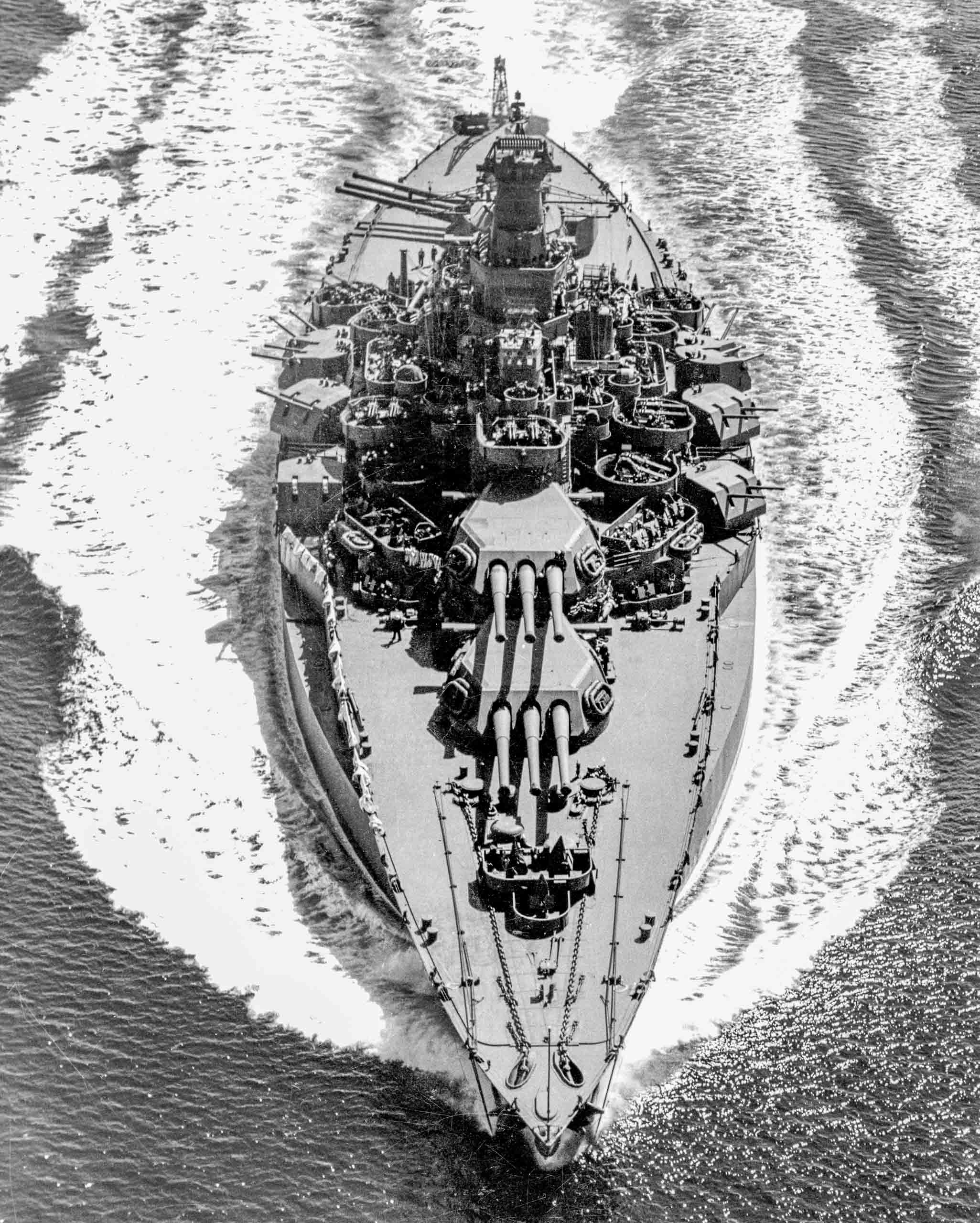
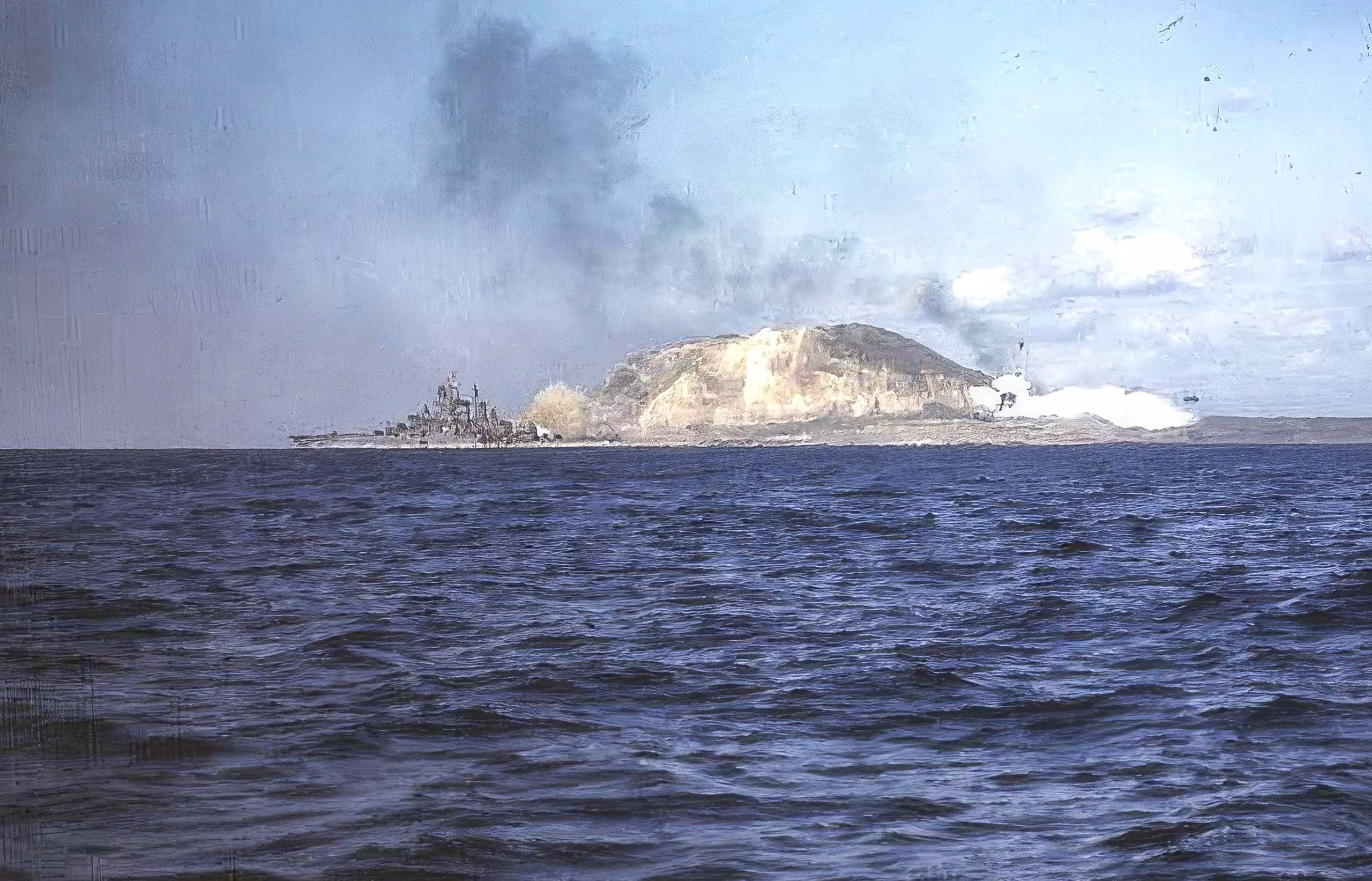
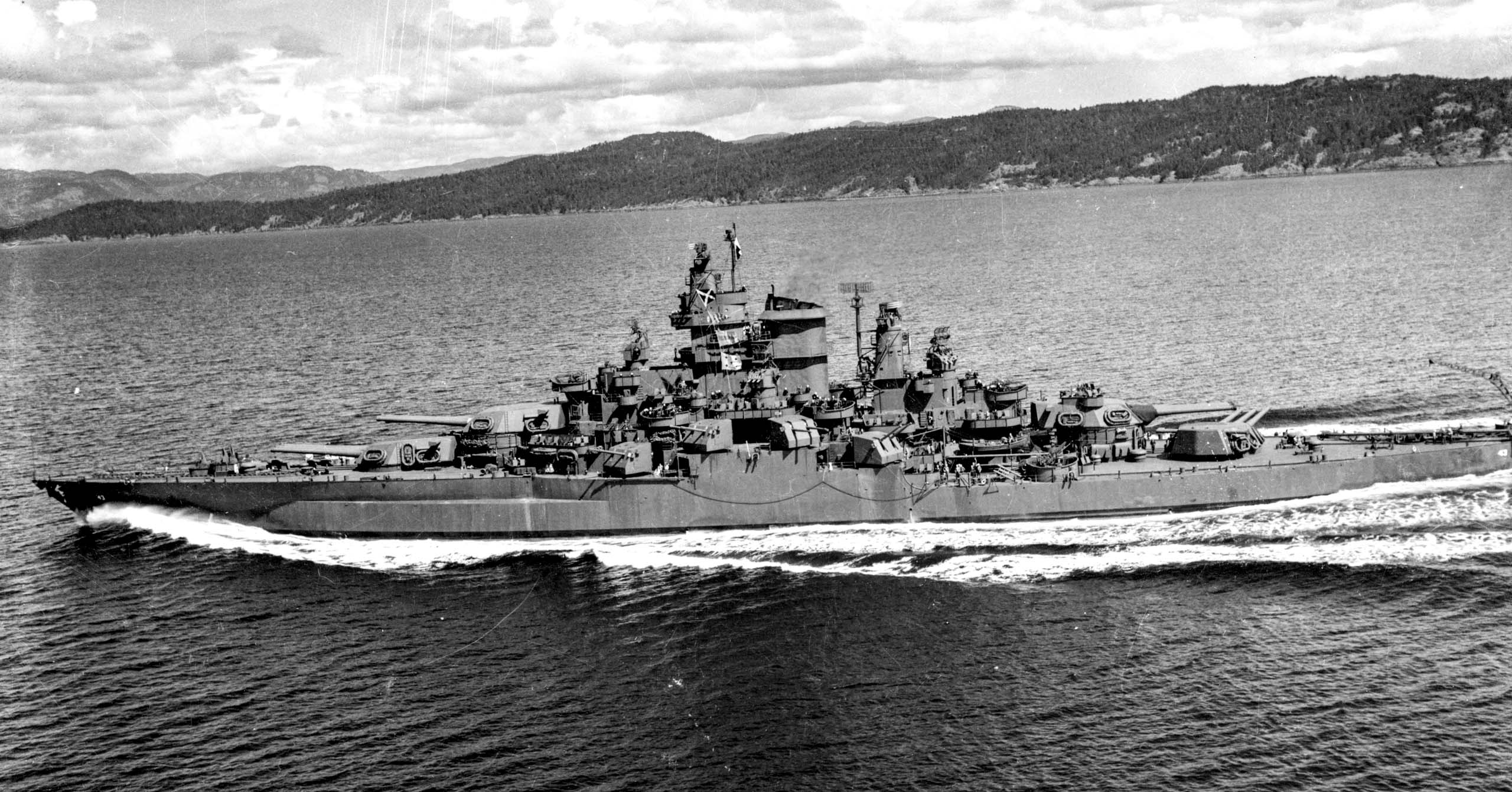
On December 7, the Tennessee was moored next to the USS West Virginia (BB-48). She was struck by two bombs, which damaged two of her four gun turrets, and suffered from scorching oil fires from the sunken USS Arizona. After temporary repairs in late December, the Tennessee sailed to the Puget Sound Navy Yard in Washington for an overhaul. From February to August 1942, she operated off the U.S. West Coast, briefly visited Pearl Harbor, and then returned to Puget Sound for extensive modernization. Following her overhaul, the Tennessee played a crucial role in the Iwo Jima operation from February to March 1945. She fired nearly 1,400 fourteen-inch shells and over 6,000 five-inch shells at targets on the small but heavily defended island.
USS Utah (BB-31/AG-16)
The USS Utah was a Florida-class dreadnought battleship completed in 1911. She served during World War I and throughout the 1920s. In 1931, the Utah was demilitarized and repurposed as a target ship, also being fitted with anti-aircraft guns for gunnery training.
On December 7, during the Japanese attack on Pearl Harbor, the USS Utah, moored on the opposite side of Ford Island, was struck by torpedoes early in the assault. The ship quickly rolled over and sank, resulting in the deaths of fifty-eight crew members. Utah was never salvaged and remains where it sank in Pearl Harbor.
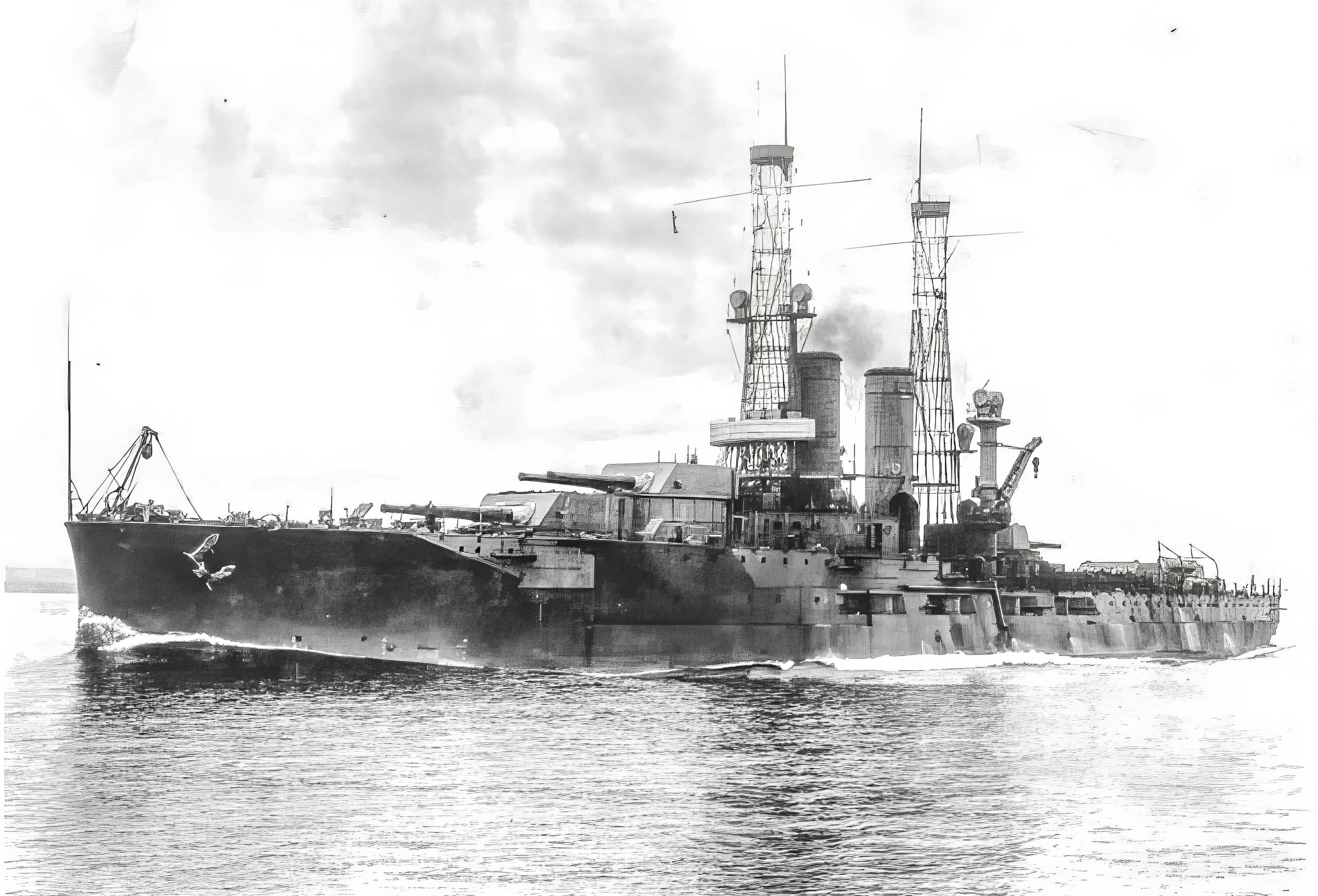
USS West Virginia (BB 48)
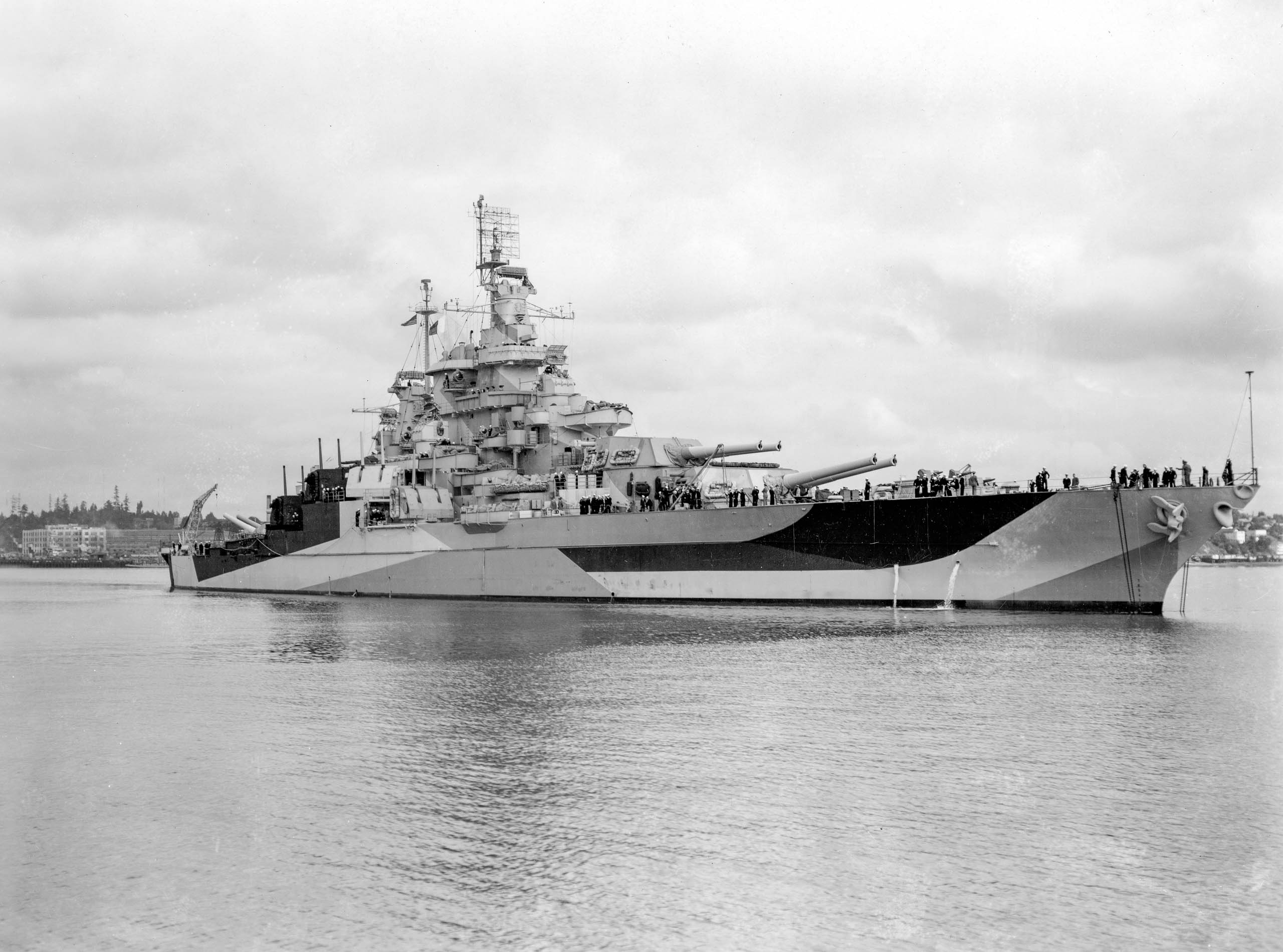
The USS West Virginia was commissioned in December 1923 and participated in training and tactical development operations until 1939, when she was stationed at Pearl Harbor in 1940.
The West Virginia was hit by up to nine enemy torpedoes, which caused severe damage to her midships and forward hull and disabled her rudder. Initially listing heavily to port, the crew’s prompt counterflooding efforts allowed the ship to settle on the bottom with a relatively even keel. Her Commanding Officer, Captain Mervyn S. Bennion, was among the over one hundred officers and crew members killed in the attack.
After the sinking, West Virginia underwent a massive salvage operation and a comprehensive modernization. She did not return to active service until mid-1944.
Pearl Harbor Remembrance Day
The Japanese attack incapacitated all seven battleships moored on “Battleship Row“. Maryland, Tennessee, and Pennsylvania were repaired within a few weeks. However, Oklahoma and Arizona, which were also damaged, remained under repair for over a year and ultimately never returned to service.
Each ship was vital to the defense of Pearl Harbor, and we will never forget the sacrifices made by the men and women involved in the conflict. Though many ships sustained severe damage or were sunk during the surprise attack, their service histories are marked by enduring legacy and profound tragedy from that historic day.
Every year on December 7, Pearl Harbor survivors, veterans, and visitors from around the world gather to honor and remember the 2,403 service members and civilians who lost their lives during the Japanese attack on Pearl Harbor on December 7, 1941. The attack also injured 1,178 people and destroyed 188 aircraft.
On August 23, 1994, the United States Congress officially designated December 7 as National Pearl Harbor Remembrance Day. If you plan a trip to Hawaii during December, plan to participate in the observances memorializing that fateful day.
- Open 5 AM to 9 PM Daily
PROUD SUPPORTER



Things To Do In Oahu
We list some of the most popular things to do in Oahu. Start your exploration with a visit to the Arizona Memorial using a local expert tour guide. Get more out of your vacation to Hawaii with our recommendations. Check it out now.
Read moreThe Silent Service
A brief history of submarine warfare, from early inventions to nuclear submarines, highlighting key battles, innovations, and strategic impact worldwide.
Read moreCelebrating Our Veterans
Honor Veterans Day with a visit to Pearl Harbor and discover the history, meaning, and significance of this day dedicated to honoring U.S. veterans from all wars. Learn how to express gratitude in respectful, meaningful ways.
Read moreThe Making of Tora! Tora! Tora!
The making of Tora! Tora! Tora! (1970): A look at the meticulous efforts and challenges in recreating the Pearl Harbor attack.
Read moreNational Pearl Harbor Remembrance Day
Remember Pearl Harbor is something we repeat and is on our tag-line because there are so many important lessons to be learned from the events of that infamous day back in 1941
Read moreHistory of the Pineapple
Pineapples have had an influence on our diets and even architecture. Learn all about pineapples from Hawaii and across the world. The founders, the growth and even varieties available today.
Read more14 Interesting Facts About Pearl Harbor
The first of many Pearl Harbor facts about the attack is that on the morning of December 7th, 1941, the Wickes-class destroyer USS Ward attacked and sank a Ko-hyoteki-class midget submarine near the entrance to the harbor.
Read moreAncient Hawaiian History Timeline
As Polynesians continued to arrive in the Hawaiian islands from the south the native populations grew around the now expanding shallow lagoon.
Read moreThings You Donʻt Know About Pearl Harbor
There is a rich and important history associated with this area both before, during, and after the Japanese attack. Here are a few fun things you may not have known about Pearl Harbor.
Read moreBuilding The Hawaiian Kingdom
As Kamehameha battled for control of all the islands foreigners began to play a key role in his plans for a kingdom. In those days the Mo’i or King of an island was the absolute ruler.
Read morePearl Harbor Attack
It was a sunny Sunday morning when, on December 7, 1941, the Imperial Japanese Air Force launched planes from 6 Japanese aircraft carriers North of Oahu. The rest is history.
Read more